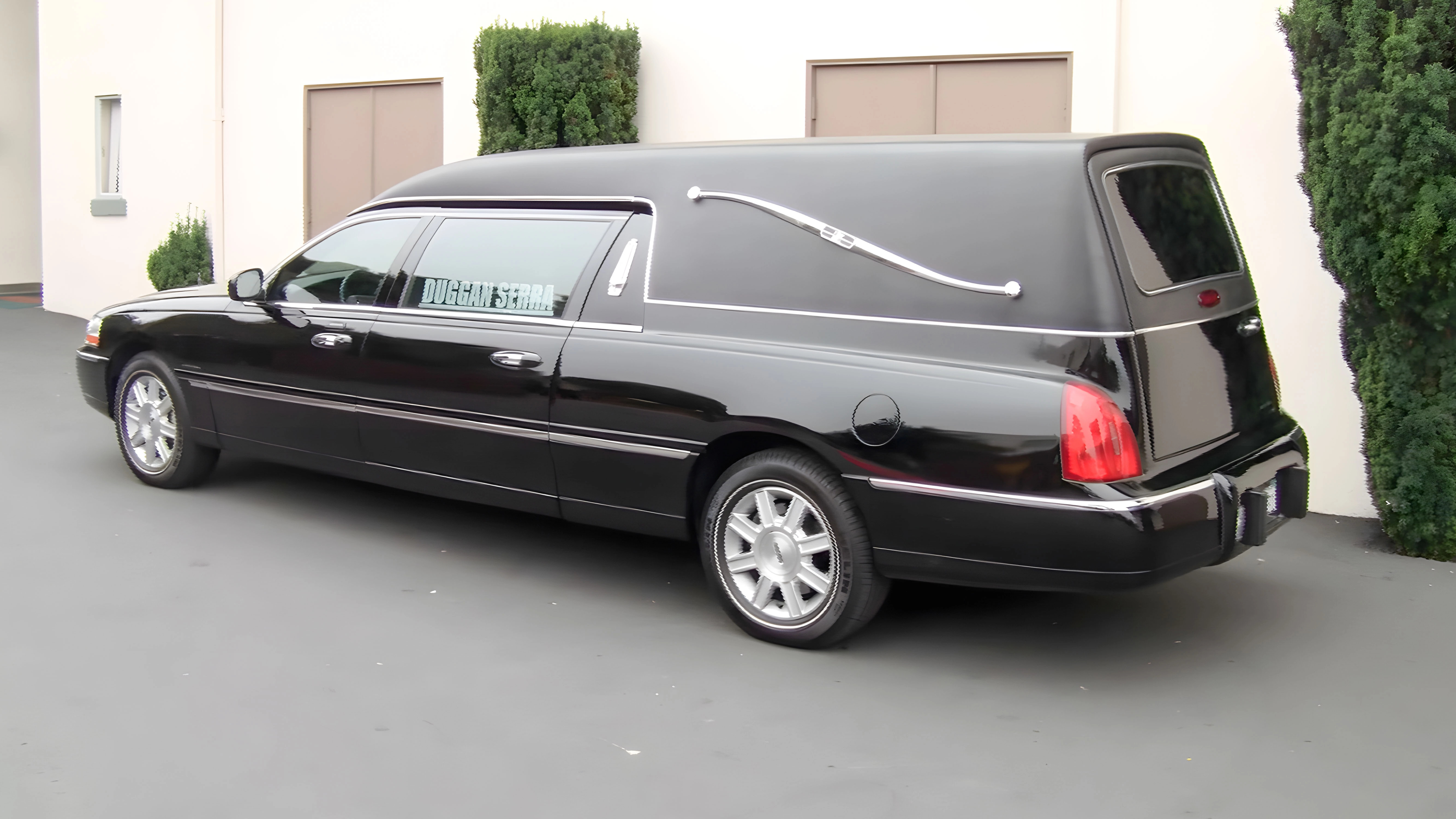
Navigating the loss of a loved one brings immediate administrative burdens alongside emotional weight. Finding accurate records, service schedules, and memorial details shouldn't add to that stress. When you're searching for Adamscrest funeral cremation services obituaries, you need quick access to service times, tribute information, and practical guidance without wading through vague summaries.
This guide breaks down how to locate these records, what details you'll find, how to submit a notice, and ways to honor a legacy effectively during a difficult time.
Locating Adamscrest Funeral Cremation Services Obituaries
Finding active and archived notices requires knowing where funeral providers publish their official updates. Most local funeral homes maintain digital databases that update immediately when a family approves a notice.
When you search for these records online, you'll typically find notices organized chronologically. Each entry acts as a central hub for service arrangements, visitation schedules, and digital condolence books. If you're looking for someone specific, keep a few search strategies in mind:
- Use the exact spelling of the full name, including middle names or maiden names if applicable.
- Check the date range of passing if you have a general idea of when the event occurred.
- Look for maiden names or alternative spellings if initial searches don't yield results.
Digital archives replace traditional newspaper clippings, offering permanent access from anywhere in the world. This accessibility helps distant relatives stay informed and participate in the grieving process even if they can't attend in person.
Essential Information Included in Service Notices
A well-crafted obituary does more than announce a passing. It provides essential logistics while capturing the unique story of an individual's life. When you read or draft a notice through these services, you'll typically encounter specific sections designed to inform and comfort.
Biographical details form the foundation of any notice. You'll see the full name, age, birth date, and date of passing. Beyond the basics, notices outline surviving family members, predeceased relatives, and key milestones such as military service or professional achievements.
Service details dictate the next steps for mourners. These entries specify:
- Exact dates, times, and venue locations for visitations, wakes, or viewings.
- Funeral or memorial service schedules, including religious or secular ceremony preferences.
- Inurnment, burial, or cremation arrangements, specifying private or public attendance.
Many families also include memorial preferences. Instead of flowers, notices often direct supporters to make charitable donations to specific non-profit organizations, research funds, or community groups that mattered deeply to the deceased.
How to Draft a Meaningful Obituary
Writing a tribute for a family member feels daunting when you're grieving. Breaking the process into manageable steps makes it much easier to handle. You don't need formal writing experience to create a respectful, touching tribute.
Start by gathering key facts before you write paragraphs. List birth and death dates, names of close family members, and major life events. Once you have the skeleton ready, draft a brief narrative paragraph highlighting their character, hobbies, career, or community involvement.
Common mistakes to avoid during drafting include:
- Rushing the proofreading process, which leads to misspelled names or incorrect service times.
- Omitting crucial logistical details like the venue address or parking instructions.
- Forgetting to check policy guidelines regarding word counts or photo submissions with the funeral provider.
Working closely with funeral directors streamlines this administrative task. Staff members review drafts for clarity and ensure that all service logistics align with venue availability.
Supporting Grieving Families and Participating in Community Remembrance
Reading about the passing of a neighbor, colleague, or friend triggers a natural desire to offer support. Expressing sympathy doesn't always require grand gestures. Simple actions often bring the most comfort to a grieving household.
Digital platforms associated with modern funeral notices make it easy to leave condolence messages, share favorite memories, or light virtual candles. If you plan to attend a service, respect the family's requests regarding dress code, photography, and floral arrangements.
For more structured help following a loss, organizations like the Canadian Mental Health Association provide grief support resources and mental health guidance. Understanding how to support others through loss strengthens community bonds when people need connection the most.
Frequently Asked Questions
How do I submit an obituary to Adamscrest Funeral Cremation Services?
Families typically work directly with the funeral director during arrangement conferences. The staff helps draft the notice, collects photographs, and handles digital publication alongside any requested newspaper submissions.
Can I edit an obituary after it has been published online?
Yes, minor corrections like fixing a typo in a name or updating a service time can be requested directly through the funeral home staff. Major rewrites might require additional processing time.
How long do online obituaries remain active?
Most digital archives maintained by funeral service providers remain online indefinitely. This permanence allows descendants to research family history and revisit memories years down the road.
What should I write in a digital condolence message?
Keep your message brief, sincere, and personal. Share a short, positive memory of the deceased if you knew them, and offer clear support to the surviving family members without pressuring them to reply.



