Adam Driver's path to the Juilliard School looks nothing like the standard biography of a Hollywood leading man. Before earning Academy Award nominations and headlining blockbuster franchises, he spent nearly three years as a United States Marine following the attacks of September 11. That military background didn't just shape his personal resilience; it completely rewired his approach to craft, discipline, and emotional exposure.
Most actors arrive at prestigious performing arts academies straight out of specialized high school theater programs or youth arts camps. Driver took a jagged detour through a failed cross-country move, military service, a broken sternum, and a stint at the University of Indianapolis. This unorthodox journey forged a performer whose intensity on stage and screen stands entirely apart from his peers. Understanding his transformation requires looking past the red carpets and examining how military rigor collided with elite conservatory training.
The Early Rejection and the Detour to the Military
Growing up in Mishawaka, Indiana, Driver harbored early ambitions of performing, but his initial attempt to enter Juilliard right out of high school ended in rejection. Left without a clear direction, he packed his car to drive to Los Angeles and force open his own career doors. That plan collapsed almost immediately when his car broke down in Texas, forcing him to return home empty-handed and work odd jobs, including a warehouse position at a Target distribution center.
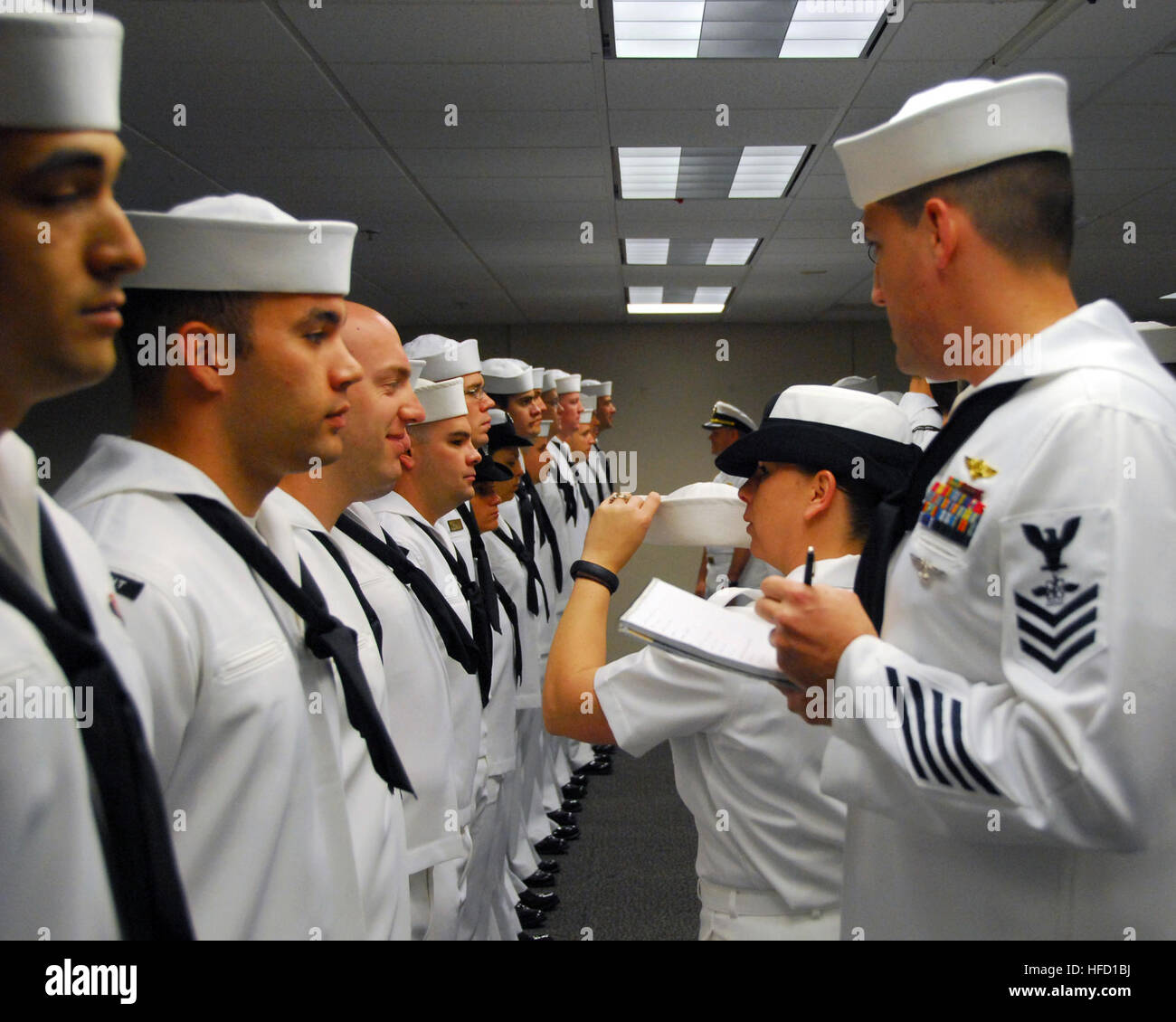
The turning point arrived in the wake of the September 11 attacks. Prompted by a conversation with his stepfather, Driver walked into a Marine Corps recruiting office. He served for two years and eight months as an 81mm mortarman in Weapons Company, 1st Battalion, 1st Marines.
- Physical and Mental Demands: The relentless exhaustion of infantry training stripped away ordinary civilian vanities.
- The Injury: A severe mountain biking accident resulted in a broken sternum, leading to a medical discharge just before his unit deployed to Iraq.
- The Shift in Perspective: Returning home with a medical discharge left him feeling alienated from civilian life, yet possessing an absolute, unshakable belief in his own survival.
According to interviews with Esquire, that period of service instilled a distinct psychological armor. When he looked back at the prospect of auditioning for demanding conservatory programs, the fear of failure had vanished. If an audition failed, he knew he could survive sleeping on a park bench. That radical drop in personal stakes changed everything.
Re-Entering the Conservatory: Culture Shock at Juilliard
Armed with newfound confidence and a year of undergraduate studies at the University of Indianapolis, Driver reapplied to Juilliard. This time, the admissions panel accepted him into Group 38 of the Drama Division, putting him alongside future collaborators and peers.
Transitioning from an infantry battalion to a conservatory classroom created immediate friction. While his classmates focused on emotional exploration and vocal warm-ups, Driver brought the hyper-vigilant, blunt communication style of a Marine to the studio.
- The Culture Clash: He often found civilian priorities trivial, famously noting the surreal contrast of moving from military rigidity to classmates worrying about minor social grievances.
- The Intensity Problem: His direct, unfiltered delivery frightened some of his student peers, occasionally bringing them to tears during scene work because he approached every exercise with life-or-death urgency.
- Channeling the Drive: Faculty members had to help him redirect that explosive energy away from intimidation and into character development.
Instead of breaking under the school's intense pressure, Driver used the rigorous schedule to anchor his post-military life. Juilliard provided the exact framework he missed from the Corps: clear objectives, high expectations, and total dedication to a collective mission.
Crafting a Distinct Acting Philosophy
The combination of military discipline and classical conservatory training shaped Driver into a distinct kind of screen presence. Traditional leading men often rely on polished charm or accessible relatability. Driver leans into volatility, physical awkwardness, and sudden bursts of suppressed rage.
Embracing Vulnerability Through Discipline
Many actors struggle to access raw emotion because they protect their ego. Driver's military experience taught him that ego protection is a luxury. Because he had already been broken down and rebuilt in the Marine Corps, he didn't fear looking foolish or unlikable on camera. This fearless vulnerability defined his breakout television role as Adam Sackler in the HBO series Girls, where he played a complex, abrasive, yet deeply sensitive partner.
The Psychology of the Audition Room
To manage the anxiety of professional casting, Driver developed a pragmatic mental trick. He trained himself to enter auditions actively disliking everyone in the room. If he didn't get the part, he could dismiss the rejection by deciding he didn't like them anyway. This defensive mindset kept his self-worth entirely separate from industry validation, a psychological safeguard forged during his turbulent early years.
The Broader Impact: Arts in the Armed Forces
Driver's unique trajectory didn't end at graduation. Recognizing the profound therapeutic and communicative power of performance, he founded Arts in the Armed Forces (AITAF) in 2008. The non-profit organization brings top-tier theatrical and comedic performances directly to active-duty military personnel, veterans, and support staff around the world.
By bridging the gap between elite New York performance spaces and military bases, Driver created a loop that honored both halves of his identity. For service members who have never attended a play, seeing professional actors tackle raw dramatic texts often unlocks emotional processing similar to what Driver experienced when he first turned to the arts after his discharge.
Frequently Asked Questions
Did Adam Driver serve in combat?
No. While he trained extensively as an 81mm mortarman in the U.S. Marine Corps for nearly three years, he broke his sternum in a mountain biking accident shortly before his unit was scheduled to deploy to Iraq, resulting in a medical discharge.
How did Adam Driver get into Juilliard after being rejected?
After his initial rejection right out of high school, a failed move to Hollywood, and his time in the Marines, he spent a year at the University of Indianapolis. Returning with the psychological resilience and discipline gained from military service, he successfully re-auditioned for Juilliard's drama program.
Why did Adam Driver make his Juilliard classmates cry?
Coming straight from an infantry unit, Driver was accustomed to blunt, high-stakes communication. He applied that same uncompromising intensity to his acting scenes, which overwhelmed some civilian classmates who weren't prepared for his aggressive directness.
What is Arts in the Armed Forces?
Founded by Driver in 2008, Arts in the Armed Forces is a non-profit organization that performs contemporary and classical plays, monologues, and comedy for military personnel, veterans, and their families globally, using the arts to foster dialogue and connection.



