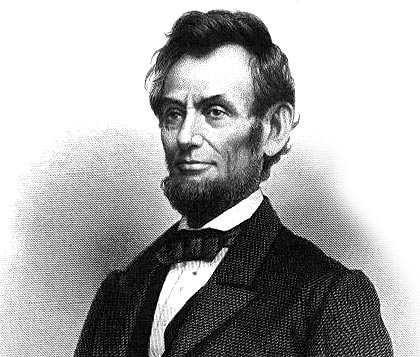
Abraham Lincoln shaped American infrastructure long before and during his presidency, earning a reputation as the nation's premier railroad chief executive. While history books frequently focus on his leadership during the Civil War and the abolition of slavery, Lincoln's deep involvement with the rail industry transformed the United States from a fractured collection of regional markets into a unified continental power.
Before entering the White House, Lincoln spent decades as a prominent railroad attorney, representing major lines in landmark litigation. Once in office, he used his executive power to push through the Pacific Railway Act of 1862, setting the stage for the first transcontinental railroad. This infrastructure strategy wasn't just about economic growth; it was a core military and political tool designed to keep California and Oregon tethered to the Union.
From Courtroom to Capitol: Lincoln's Early Railroad Career
Long before his debates with Stephen Douglas, Lincoln built a thriving legal practice in Illinois that heavily featured corporate and transportation law. As railroads expanded westward in the 1850s, they brought complex legal disputes over right-of-ways, property taxes, and infrastructure jurisdiction.
Lincoln represented major regional companies like the Illinois Central Railroad and the Rock Island Railroad. His most famous courtroom test came in 1856 with the Hurd v. Rock Island Bridge Company case. When a steamboat crashed into the first railway bridge spanning the Mississippi River, riverboat commercial interests—led by St. Louis elites—sought to have the bridge declared a dangerous nuisance and torn down. Lincoln successfully argued that land-based transit across the continent held as much right to navigate the nation's geography as steamboats did on its rivers, resulting in a hung jury that effectively saved the bridge and secured the future of rail expansion.
During these years, Lincoln also rubbed shoulders with key visionaries. In 1859, while visiting Iowa, he met Grenville Dodge, a young engineer who later became the chief engineer of the Union Pacific Railroad. Lincoln pumped Dodge for details about the Western terrain, absorbing intelligence about mountain passes and river valleys that he would draw upon when routing the transcontinental line.
The Strategic Imperative of the Pacific Railway Act
When the Southern states seceded in 1861, Washington lost its southern proposed routes for a southern transcontinental railroad. Lincoln seized the political opening. On July 1, 1862, he signed the Pacific Railway Act into law, chartering the Union Pacific and Central Pacific corporations to build a continuous iron highway from the Missouri River to the Pacific Ocean.
Funding this massive undertaking during an existential civil conflict seemed impossible to many lawmakers. Lincoln insisted that the iron rails were a vital wartime necessity. He recognized that moving troops, mail, and munitions efficiently could shorten the war and secure the far West against Confederate sympathies or foreign intervention.
To incentivize construction, the federal government provided massive land grants and government bonds. Companies received specific bond amounts per mile of track laid, scaling up significantly for difficult terrain:
- Level land: $16,000 per mile
- Foothills: $32,000 per mile
- Mountainous terrain: $48,000 per mile
These financial incentives sparked an aggressive construction race between the two companies, setting the stage for the historic meeting of the rails at Promontory Summit. You can explore primary documents regarding this legislation through the Library of Congress Pacific Railway Act guide.
Wartime Logistics and National Control
Lincoln's relationship with the rail industry evolved past civilian transit into direct military command. In August 1862, Congress passed legislation authorizing the president to take physical possession of any railroad and telegraph line in the United States if military necessity required it.
The U.S. Military Railroads (USMR) division emerged as a pioneering logistics agency. Under civilian direction backed by executive authority, the Union army laid hundreds of miles of new track, repaired destroyed bridges under heavy fire, and operated armored train batteries. This marked the first time in military history that mass railway logistics determined the strategic outcome of a war.
For a broader look at how physical preservation intertwined with institutional modernization, visit the Abraham Lincoln Presidential Library and Museum archives.
Cultural and Economic Transformation
Although Lincoln was assassinated in April 1865—four years before the Golden Spike was driven at Promontory Summit—his unwavering political push brought the project to fruition. The completion of the line slashed travel times between New York and San Francisco from months of dangerous sailing or wagon travel down to less than a week.
Over 7,000 municipalities west of the Missouri River trace their origins directly to Union Pacific depots, water stops, and construction camps. By 1880, over $50 million worth of commercial freight moved across the tracks annually, integrating raw materials from western mines and farms into eastern industrial centers. To understand how corporate milestones evolved out of this era, check out the Union Pacific Historical Overview.
Frequently Asked Questions
Did Abraham Lincoln invest in railroads?
While Lincoln earned a comfortable living as a railroad attorney and frequently accepted railway passes in lieu of direct cash retainers, he didn't build a massive personal fortune through stock speculation. His interest remained focused on political economy, legal precedent, and national unity rather than private enrichment.
Why was the transcontinental railroad built during the Civil War?
Lincoln and congressional leaders viewed the project as an essential geopolitical safeguard. Connecting California securely to the Union prevented the West Coast from drifting into economic isolation or falling prey to foreign powers while the federal government was consumed by internal conflict.
What companies did Lincoln help establish?
Through the Pacific Railway Act of 1862, Lincoln legally anchored the creation of the Union Pacific Railroad and backed the expansion of the Central Pacific Railroad, creating a public-private partnership model that defined American infrastructure development for generations.



