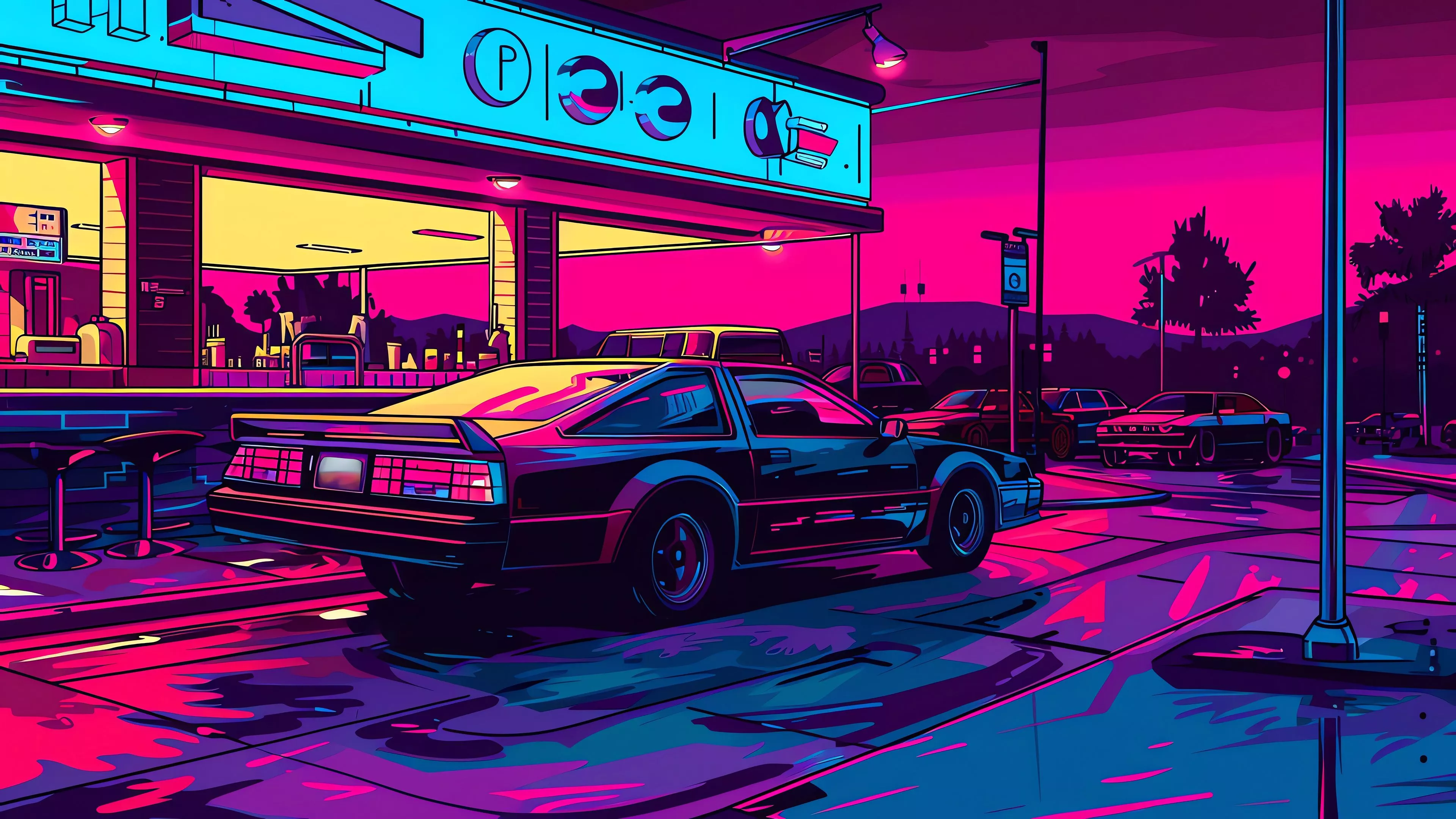
Abilene drive-in movie theaters once defined weekend entertainment across the Texas plains. Cars lined up for miles, car speakers hung from window frames, and the smell of popcorn filled the open air. While the heyday of outdoor cinema faded with the rise of multiplexes and home video, these spaces hold a stubborn place in local memory. Let's look back at how outdoor movie culture shaped Abilene, why the original lots vanished, and how modern preservation efforts brought the magic back.
The story of Abilene outdoor cinema began in the mid-century boom. As car ownership soared, families wanted entertainment that accommodated vehicles and young children. Outdoor screens offered a casual atmosphere where parents didn't have to worry about quiet theaters. Local entrepreneurs seized the moment, transforming empty acreage into nighttime community hubs. You didn't just watch a movie; you spent an entire evening under the Texas sky.
The Rise of Mid-Century Outdoor Cinema
Abilene welcomed its first dedicated auto-theer in 1958 with the opening of the Starlite Drive-In. It changed local weekends overnight. Families packed folding chairs, blankets, and coolers filled with homemade snacks. Teenagers cruised in on Friday nights, turning the ticket booth into a social landmark.
The success of the Starlite inspired other ventures. Throughout the 1960s, additional screens dotted the region, offering double features of westerns, sci-fi thrillers, and family comedies. Admission was charged per car rather than per person, making it an affordable outing for large households.
- The ticket booth marked the beginning of weekend social rituals.
- Metal speakers clipped onto rolled-down car windows, delivering mono audio.
- Intermission ads directed patrons to snack bars for hot dogs, candy, and soda.
- Playground areas beneath the screen kept younger children busy before sunset.
These locations served as more than just movie houses. They were community centers where neighbors caught up on local news while waiting for the projector to fire up. The physical layout fostered a relaxed environment that indoor theaters simply couldn't replicate.
The Golden Age and Cultural Impact
During the 1970s, drive-ins reached peak cultural relevance. Cinema shifted toward gritty dramas, counterculture icons, and summer blockbusters. When major releases hit the silver screen, Abilene lots filled to capacity hours before dusk.
Patrons adjusted their rearview mirrors, reclined their bench seats, and tuned their car radios to the designated AM frequency once low-power FM and radio transmitters replaced clumsy wire speakers.
- Easy Rider (1969) drew massive crowds of young adults seeking rebellious escapism.
- The Godfather (1972) turned evening double features into epic multi-hour events.
- Jaws (1975) terrified generations of teenagers watching from the safety of their sedans.
- Star Wars (1977) created lines stretching out onto nearby highways.
Car culture and cinema merged completely during these decades. Young drivers polished their vehicles all week just to show them off in the parking lot queues. The drive-in became a cornerstone of coming-of-age rituals in Taylor County.
The Decline and Demise
Economic shifts in the 1980s and 1990s dealt severe blows to outdoor movie venues. Real estate values climbed, making large tracts of land increasingly expensive to maintain as single-use entertainment spaces. At the same time, indoor multiplexes offered climate-controlled comfort and multiple screen options.
Home video formats like VHS and cable television accelerated the shift. Why drive across town and battle mosquitoes when you could rent a tape for a dollar? Maintenance costs for aging projection lamps, vast parking lots, and speaker posts mounted faster than ticket sales could cover.
- Rising property taxes forced many landowners to sell lots for commercial development.
- VCR penetration in households reduced casual weeknight attendance.
- Daylight saving time laws shortened the operating window during peak summer months.
- Severe Texas weather wreaked havoc on massive wooden and metal screen towers.
By the close of the 20th century, most of Abilene's iconic outdoor screens had gone dark. The projection equipment was sold off, and the gravel lots grew over with weeds or gave way to strip malls and housing tracts. For a time, it seemed the era was gone for good.
Modern Revival and Preservation
Nostalgia is a powerful force. In recent years, communities across the United States began looking back at lost mid-century landmarks with renewed appreciation. People wanted tangible, shared experiences rather than solitary digital streaming.
This cultural shift sparked a wave of restoration projects. Local historical groups and independent operators recognized that outdoor cinema offered something modern entertainment lacked. They set out to rescue what remained of the old lots or build new venues styled after the classic era.
- Digital projection upgrades replaced fragile 35mm film reels, lowering operating barriers.
- FM radio integration eliminated the need for vintage wired speakers while preserving audio quality.
- Expanded local food truck partnerships modernized concession offerings beyond basic popcorn.
- Community-funded restoration efforts rallied local businesses to sponsor screen repairs.
According to historical records from the Texas Historical Commission, grassroots preservation plays a vital role in keeping local mid-century landmarks alive. Revived spaces don't just screen old movies; they host community festivals, live music, and private gatherings that keep the old spirit functioning in the modern era.
Frequently Asked Questions
How did drive-in movie theaters transmit sound to cars?
Early lots used heavy metal speakers attached by a cord that hooked over the driver's side car window. Later operations transitioned to low-power AM and FM radio transmitters, allowing moviegoers to listen through their vehicle's built-in stereo speakers.
Why did most drive-in theaters close in the late 20th century?
Rising real estate values made large plots of land too costly to operate as seasonal businesses. Competition from VCRs, cable television, and modern indoor multiplexes also drained nightly attendance.
Are there any operating drive-ins left in the Abilene area?
While the original 20th-century locations closed decades ago, modern pop-up screenings and seasonal community outdoor movie events frequently use local parks and fairgrounds to recreate the classic experience.
What was the typical admission cost during the peak era?
During the 1960s and 1970s, drive-ins typically charged a single fee per carload rather than per individual, making it an affordable option for large families.



