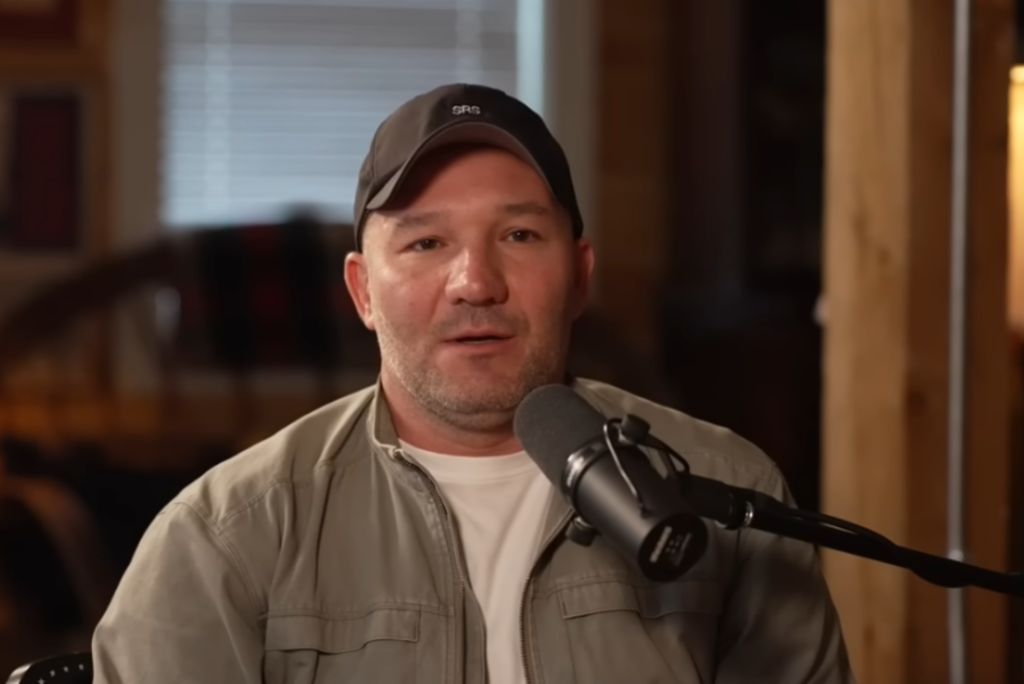
When internet rumors swirl around public figures and firearms, the conversation usually twists into a mix of hyperbole and internet folklore. A prominent phrase often attributed to media personalities—such as the claim regarding Aaron Goodwin stating you can't have enough guns—frequently pops up across niche forums and speculative blogs. Sorting internet sensationalism from actual statements requires looking closely at context, media literacy, and how quotes morph across digital platforms.
The phrase touches a nerve in modern cultural debates surrounding personal defense, firearm collection, and public safety philosophy. Instead of taking viral soundbites at face value, let's break down the origin of these claims, the realities of firearm ownership philosophy, and why catchy maxims spread so fast online.
Dissecting the Viral Firearm Ownership Claim
Viral claims rarely arrive in a vacuum. When a celebrity or television personality becomes associated with a polarizing quote, it usually stems from a misattributed interview, a fictionalized internet meme, or a sensationalized headline designed to capture clicks.
In the case of public figures linked to the "you can't have enough guns" sentiment, the expression mirrors a long-standing colloquialism popular among certain subcultures of sports shooters and collectors. However, attributing this specific maxim directly to media personalities as an official policy stance often distorts casual remarks into formal declarations.
The Psychology Behind Extreme Firearm Maxims
Phrases claiming that someone can never own too many firearms tap into distinct psychological frameworks:
- Preparedness mindset: Advocates argue that redundancy provides security against mechanical failure, scarcity, or specialized utility needs.
- Collector culture: Enthusiasts often view firearms through the lens of historical preservation, hobbyist appreciation, or investment rather than purely tactical utility.
- Rhetorical exaggeration: Everyday speech frequently employs absolute statements for emphasis rather than literal truth.
When internet aggregators pick up these casual idioms, they strip away the nuance. A lighthearted comment made during a podcast or an unscripted moment can easily transform into a headline that implies an extreme stance.
Practical Realities of Firearm Accumulation
Beyond internet gossip, evaluating the physical and financial reality of owning a large volume of firearms reveals practical limitations that slogans ignore. Responsible ownership involves responsibilities that scale directly with the size of a collection.
Storage and Security Challenges
Owning multiple firearms multiplies the logistical burden of safe storage. Proper security requires substantial investment in heavy-duty safes, climate-controlled environments to prevent rust and corrosion, and organized cataloging systems. As collections grow, the risk profile changes:
- Space constraints: High-density storage requires dedicated rooms or specialized cabinetry to maintain accessibility without clutter.
- Maintenance overhead: Cleaning, oiling, and inspecting dozens of mechanisms takes significant time and specialized supplies.
- Insurance complexities: Standard homeowner policies rarely cover high-value firearm collections fully, necessitating separate specialized riders and meticulous serial number documentation.
Financial and Legal Considerations
Accumulating firearms isn't just about initial purchase costs. Ammunition stockpiles degrade over time if not stored in optimal conditions, and regulatory compliance varies heavily by jurisdiction. Maintaining legal compliance across multiple items demands ongoing attention to local statutes, transfer laws, and transport regulations.
Media Literacy in the Age of Viral Rumors
The proliferation of clickbait articles targeting public figures highlights a broader issue in digital media consumption. When websites use convoluted titles to draw traffic, they often rely on SEO tactics that exploit public curiosity about celebrities.
Recognizing manufactured controversy protects readers from falling for low-quality content farms. Checking primary sources, verifying quotes through established news outlets, and questioning sensationalized headlines remain essential skills for navigating modern media.
How to Evaluate Sensational Claims Online
- Check the source: Look beyond aggregator blogs to find original transcripts or video clips.
- Examine the context: Determine whether a statement was made seriously, humorously, or within a fictional context.
- Analyze incentives: Consider whether the publisher stands to gain ad revenue from inflammatory headlines.
For those interested in responsible firearm education and legal standards, consulting resources like the Bureau of Alcohol, Tobacco, Firearms and Explosives provides clear, factual guidance on federal regulations without the internet spin.
Frequently Asked Questions
Did Aaron Goodwin actually make a formal statement about gun ownership?
No official, verified record exists of media personality Aaron Goodwin making formal policy declarations or public campaigns regarding the total number of firearms a person should own. Such claims typically originate from unverified internet rumors or misconstrued social media posts.
Where did the phrase you can not have enough guns originate?
The expression functions as a traditional colloquialism within recreational shooting and hunting communities, predating modern internet culture. It reflects individual hobbyist sentiment rather than a quote tied to a single specific celebrity.
Why do sensationalized claims about public figures spread so quickly?
Algorithmic recommendation engines favor emotionally engaging or controversial topics. When headlines combine a recognizable name with a polarizing subject like firearms, users tend to click and share more frequently, amplifying unverified stories.
What are the main challenges of maintaining a large firearm collection?
Owners face significant responsibilities regarding secure storage, insurance valuation, routine mechanical maintenance, and compliance with changing local and federal laws.



