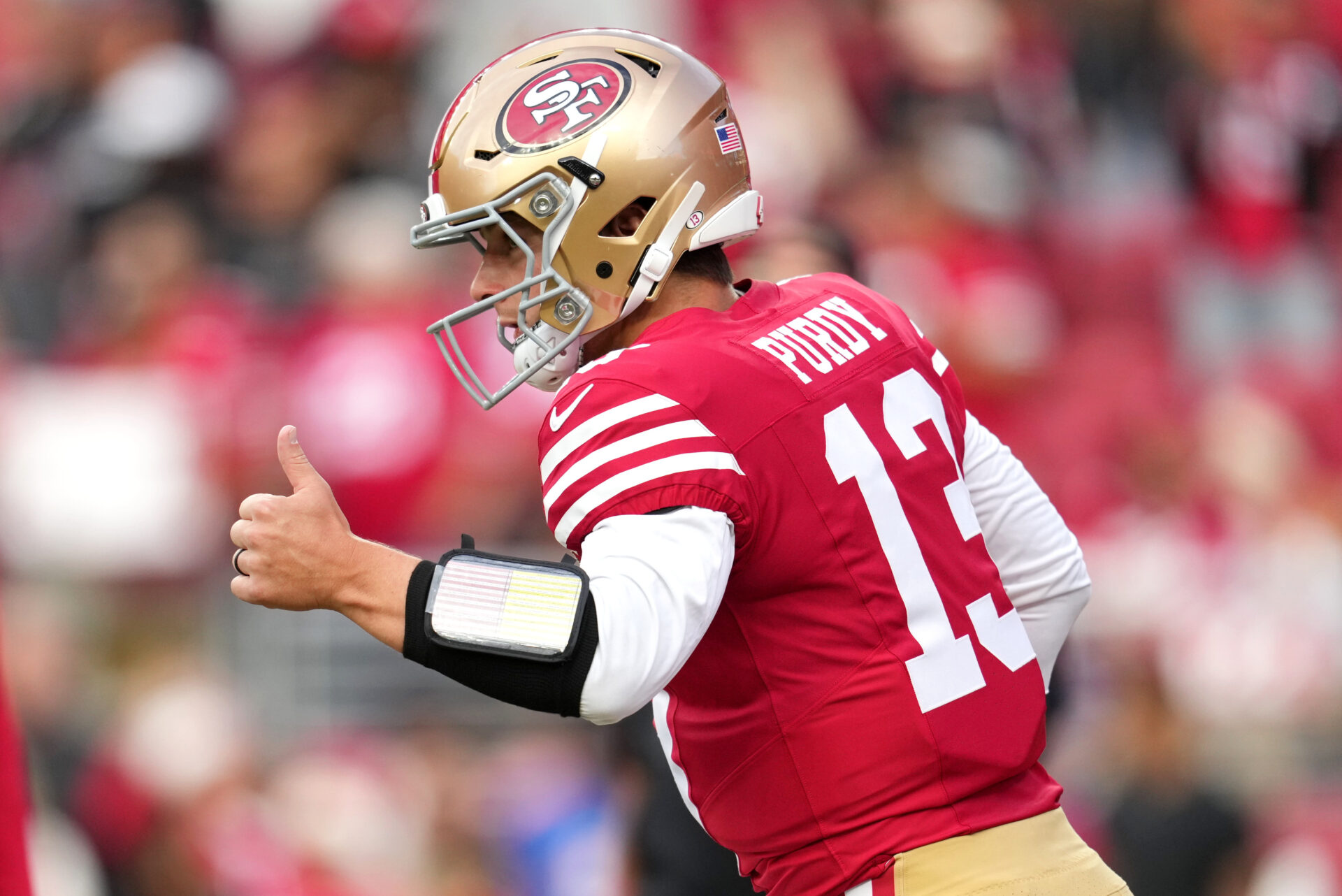
When the San Francisco 49ers and the Las Vegas Raiders square off on the gridiron, the matchup brings together contrasting styles, historic regional rivalry, and high-stakes execution. You'll find that games between these squads often hinge on explosive offensive chess matches and disciplined defensive adjustments. If you're looking to understand why certain outcomes unfold the way they do, looking past the final score reveals a deeper story told through precise statistics and critical momentum shifts.
Analyzing player stats, key performances, and turning points requires looking at how modern NFL offenses attack zone coverage versus how aggressive pass rushes disrupt timing. This breakdown explores the vital metrics, individual standout efforts, and decisive moments that define this classic matchup.
Primary Statistical Battlegrounds
Winning football games starts with controlling possession and maximizing efficiency on crucial downs. When evaluating this specific matchup, three core statistical areas dictate the flow of the game: third-down conversion rates, red zone efficiency, and yards after catch (YAC).
Third-Down Efficiency and Time of Possession
Offensive success relies heavily on staying ahead of the chains. When teams face third-and-long situations against elite front sevens, the success rate drops significantly. Further journalism by Bloomberg delves into related views on this issue.
- Early-down success: Gaining at least four yards on first down opens the entire playbook.
- Pressure mitigation: Offensive lines that neutralize interior pass rushers allow routes to develop downfield.
- Possession control: Sustaining drives keeps opposing playmakers on the sideline and tires out defensive fronts.
Red Zone Conversion Rates
Moving the ball between the 20-yard lines matters, but turning those yards into touchdowns decides outcomes. Field goals rarely beat top-tier opponents.
- Spacing constraints: Defences tighten up near the goal line, forcing quarterbacks to make quick, accurate throws into tight windows.
- Running game resilience: Punching the ball in from the two-yard line demands low pad level and disciplined blocking schemes.
- Turnover prevention: A single mistake in the red zone swings momentum completely.
Standout Player Performances
Individual brilliance often breaks open a tight contest. Whether it's a shutdown cornerback erasing a primary target or a dynamic running back breaking tackles in the open field, game-changing performances shape the final result.
Offensive Catalysts
Dynamic playmakers force defensive coordinators to alter their game plans entirely. When a receiver consistently wins on deep routes or a running back forces missed tackles at an elite rate, the entire offensive unit gains confidence.
- Yards after contact: Elusive runners wear down linebackers over four quarters.
- Route precision: Receivers who exploit zone coverage soft spots give their quarterbacks reliable safety valves.
- Pass protection: Clean pockets enable timing-based passing attacks to carve up secondary units.
Defensive Standouts
Game-wrecking defenders change the geometry of the field. Edge rushers who force hurried throws or linebackers who read screens instantly disrupt rhythm.
- Pressure rate: Generating quick pressure without relying on heavy blitzes forces quarterbacks into mistakes.
- Run stoppage: Winning the line of scrimmage on early downs creates predictable passing situations.
- Tackling fundamentals: Limiting explosive gains by wrapping up ball carriers in space prevents broken plays from turning into touchdowns.
Critical Turning Points
Every close game features pivotal sequences where momentum swings drastically. Recognizing these moments helps explain why the scoreboard looks the way it does.
Momentum Shifts Before Halftime
Teams that score in the final two minutes of the first half and receive the ball to start the third quarter gain a massive mathematical and psychological advantage. A quick defensive stop combined with a structured two-minute drill often erases a tight deficit or extends a lead beyond reach.
Fourth-Quarter Execution
As fatigue sets in late in the game, execution separates winning teams from losing ones. Penalties, dropped passes, and missed assignments in the final frame magnify errors made earlier in the contest. The team that maintains discipline and avoids self-inflicted mistakes usually secures victory.
Frequently Asked Questions
What are the key metrics to evaluate in this matchup?
Pay close attention to third-down conversion rates, yards after catch, and red zone efficiency, as these statistics directly correlate with winning football games.
How do defensive schemes impact quarterback performance?
Complex disguised coverages and consistent four-man pass rushes force quarterbacks to hold the ball longer, leading to sacks, throwaways, and hurried decisions.
Why is time of possession important in modern NFL games?
Controlling the clock keeps high-powered opposing offenses off the field while wearing down defensive linemen, making them more vulnerable to the run game late in the fourth quarter.
Where can I find official NFL statistics and team rosters?
You can check out the official NFL Official Site for up-to-date player stats, injury reports, and league standings.


