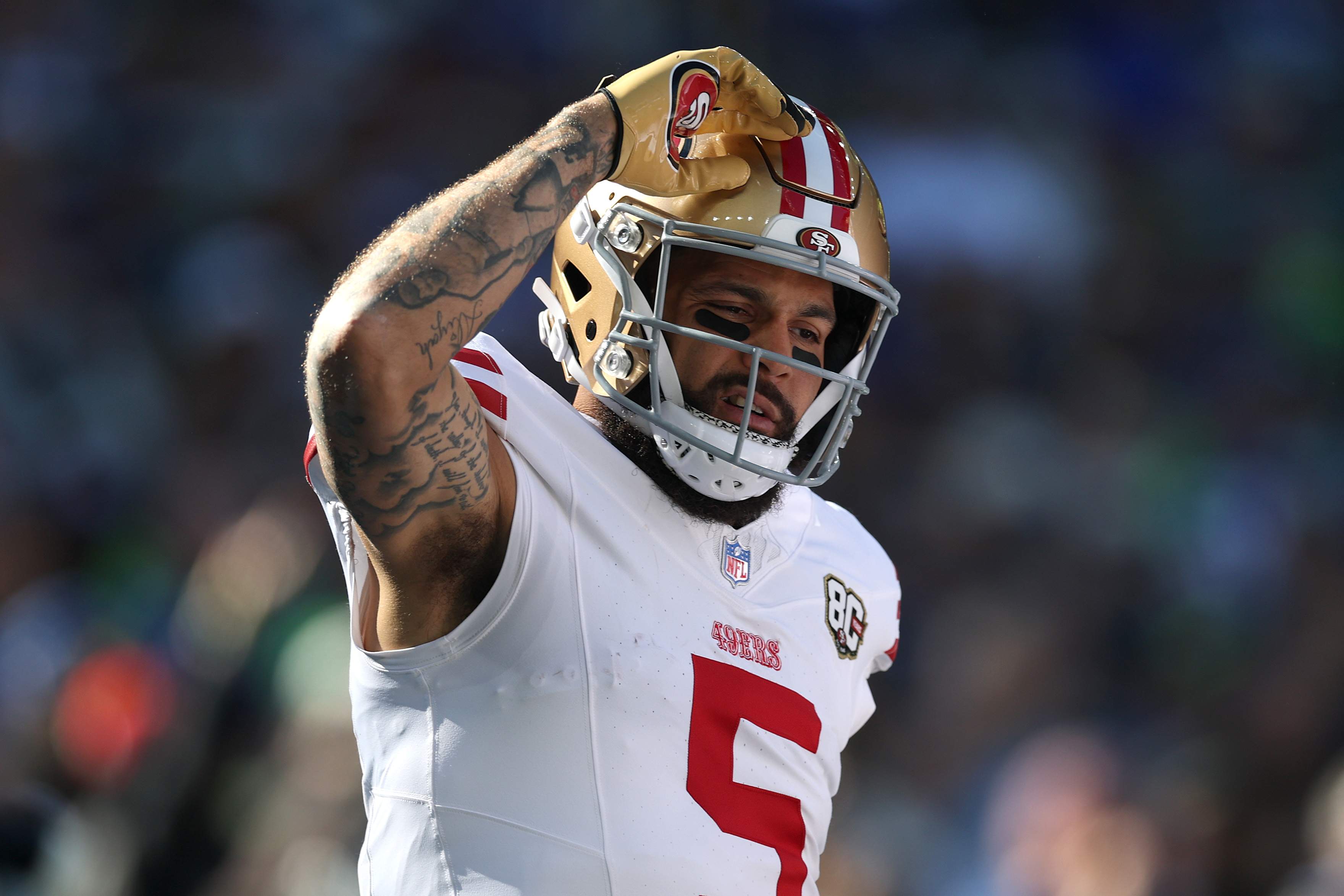
The trade sending Christian McCaffrey to the Las Vegas Raiders reshapes roster construction across conferences. It alters draft capital, cap mechanics, and offensive philosophies. When front offices execute blockbuster transactions of this magnitude, the immediate analysis focuses on skill positions, but the secondary impacts run much deeper into team building and roster architecture.
NFL trades involving elite offensive weapons require careful salary cap balancing and strategic timing. We'll examine the financial structures, tactical adjustments, and long-term roster repercussions for both organizations following this high-profile move.
Financial Mechanics and Salary Cap Implications
Moving a player of McCaffrey's caliber involves intricate financial maneuvering. When teams absorb or trade massive contracts, bonus prorations and dead-money charges dictate future flexibility.
- Cap Hit Distribution: Front offices structure signing bonuses and roster bonuses to spread the cap impact across multiple fiscal years.
- Dead Money Management: Offset language protects both franchises if roster cuts happen before contract expiration.
- Future Flexibility: Clearing top-tier salary space allows teams to lock in young draft picks on rookie scales.
For example, when Las Vegas took on the multi-year deal, their front office had to restructure surrounding contracts to maintain breathing room under the league-mandated salary ceiling. This often means converting base salaries into signing bonuses or letting mid-tier veterans walk in free agency.
Offensive Scheme Adjustments and Playcalling
Integrating a versatile offensive weapon forces coaching staffs to rewrite playbook sections overnight. McCaffrey's unique blend of rushing vision and route-running out of the backfield changes how defensive coordinators prepare during weekly game planning.
Without a safety-valve pass catcher, quarterbacks face higher pressure rates and longer third-down conversions. Coordinators must rely on quick-game passing concepts, pre-snap motion, and tight end involvement to make up for lost yards after catch. Conversely, adding an elite dual-threat back lets offensive playcallers dictate defensive personnel groupings, forcing linebackers into coverage mismatches.
Red Zone Efficiency Changes
Inside the twenty-yard line, playcalling narrows significantly. Offenses missing a dynamic runner often settle for field goals rather than converting third-and-shorts. Teams that feature versatile running backs can run gap schemes or spread formations with equal efficiency, keeping defensive fronts guessing near the goal line.
Draft Capital and Long-Term Roster Construction
Blockbuster trades always involve future draft selections. Trading first and second-round picks alters how scouting departments prepare for upcoming drafts.
- Immediate Asset Return: Acquiring multiple early-round picks provides cheap labor via rookie contracts.
- Positional Priorities: Teams gaining draft capital can address premium positions like edge rusher, cornerback, or offensive tackle.
- Scouting Re-allocations: Draft boards must be completely redrawn when a team suddenly owns multiple picks in the top fifty selections.
San Francisco's decision to stockpile draft picks signaled a pivot toward long-term asset accumulation. By securing premium draft capital, they positioned themselves to fill key defensive holes without overpaying veteran free agents in March.
Common Strategic Mistakes in Franchise Trades
When general managers pull off major trades, several recurring pitfalls can derail the long-term vision of the franchise:
- Overvaluing Short-Term Window: Trading too many future first-round picks can leave a roster depleted of young, cost-controlled talent.
- Ignoring Cap Concussions: Failing to plan for future dead-money hits creates sudden salary cap crunches.
- Forcing Scheme Fits: Acquiring a star player without a clear plan for how to utilize their specific skillset often leads to underperformance.
Frequently Asked Questions
How do blockbuster trades impact team salary caps?
Teams trading away a high-priced player typically clear salary space, though bonus accelerations can trigger immediate dead-money charges. The acquiring team must accommodate the existing contract structure within their current cap space, often requiring contract restructures or restructurings of other roster agreements.
What makes Christian McCaffrey unique in modern offenses?
His ability to align effectively as a traditional running back or split out as a slot receiver creates severe mismatches against standard linebackers and safety coverages, forcing defenses to stay in base or nickel packages.
Why do NFL teams trade first-round picks for established players?
Front offices often trade draft uncertainty for guaranteed production when they believe their roster is one piece away from deep playoff contention. Proven veterans carry less evaluation risk than college prospects.
How do coaching staffs adjust after losing a star playmaker?
Coaches shift toward committee approaches in the backfield, lean more heavily on quick-timing passing games, and distribute touches among multiple wide receivers and tight ends to make up for individual production losses.


