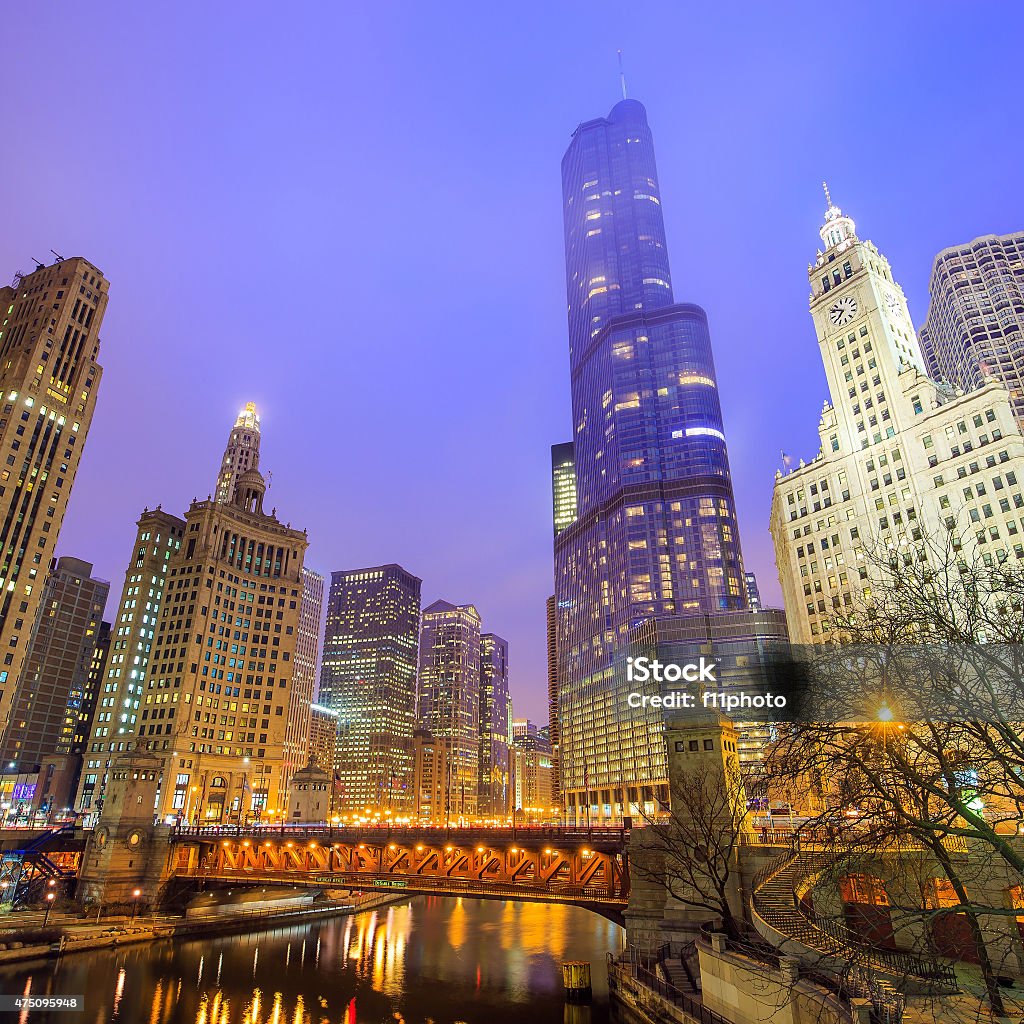
The 312 area code remains one of the most recognizable telephone prefixes in the United States, carrying an identity tied directly to downtown Chicago. Long before cell phones or virtual phone systems existed, a 312 number signaled that a business or household was rooted right in the heart of the Midwest's largest commercial hub. Today, despite complex overlays and shifting boundaries, that three-digit prefix still commands a specific kind of local recognition.
Understanding how the 312 prefix evolved requires looking past basic directory data. The code tells a story of urban growth, regulatory battles over numbering resources, and the changing way people communicate across Chicago's neighborhoods. Whether you're setting up a business presence or researching regional phone history, here is how the 312 code actually works today.
Where the 312 Area Code Operates
The 312 area code serves the dense urban core of Chicago, focusing tightly on the central business district and its immediate surroundings.
- The Loop: Chicago's historic financial and commercial center, packed with high-rises, municipal offices, and corporate headquarters.
- River North and the Gold Coast: Dense commercial and residential neighborhoods immediately north of the Chicago River.
- The Near West Side and West Loop: Rapidly growing tech, restaurant, and industrial-loft districts, including Fulton Market.
- The Near South Side: Areas bordering McCormick Place and Museum Campus just south of downtown.
While newer codes blanket the entire city, 312 maintains its heavy concentration in these central business zones. If you run a firm on LaSalle Street or Wacker Drive, a 312 number matches the physical reality of your office.
The History: From Citywide Monopoly to Downtown Anchor
When the North American Numbering Plan launched in 1947, area code 312 covered the entire city of Chicago and all of its surrounding suburbs. For decades, it was the only prefix families and businesses needed across northeastern Illinois.
Growth eventually forced a change. In 1989, explosive suburban expansion forced regulators to carve out the surrounding suburbs into the 708 area code, leaving 312 exclusively inside Chicago's city limits.
That single-city monopoly didn't last. By the mid-1990s, the proliferation of fax machines, pagers, and early mobile phones meant Chicago was running out of numbers again. Regulators faced a choice: split the city further or change how numbers were issued.
In October 1996, the state executed a controversial split. The residential neighborhoods surrounding downtown were peeled off into the new 773 area code, while a tiny core zone—essentially downtown and the Loop—kept 312. Major corporations fought hard to keep 312 because customers associated the prefix directly with downtown prestige. That political and commercial fight locked 312's identity in place.
The 773 and 872 Overlays
By the late 2000s, even the restricted downtown footprint and the neighborhood 773 zone were approaching exhaustion. Rather than carving up the map into smaller geographic slices, regulators shifted strategy entirely.
On November 7, 2009, the 872 area code went live as an overlay across both the 312 and 773 zones. Instead of drawing new boundary lines, regulators layered the new prefix across the entire city.
This overlay model introduced structural changes that every Chicago caller navigates today:
- Shared Number Pools: An 872 number can be assigned to a law firm in the Loop, a bakery in Logan Square, or a student apartment in Hyde Park. The prefix no longer guarantees a specific neighborhood.
- Mandatory Ten-Digit Dialing: Because multiple area codes serve the exact same physical space, local calls require dialing the area code plus the seven-digit number. Seven-digit local dialing ended in Chicago when the 872 overlay took effect.
- Preservation of Identity: Existing 312 and 773 numbers didn't change. Businesses kept their legacy prefixes, preserving the perceptual value attached to downtown codes.
For a deeper dive into federal telecommunications standards and numbering guidelines, you can review resources provided by the Federal Communications Commission.
Choosing Between Chicago Codes for Business
If you're establishing a business presence in Illinois, you won't necessarily be restricted to physical geography. Modern VoIP and cloud phone providers allow teams anywhere in the world to secure local numbers. Selecting the right prefix shapes how customers perceive your brand:
- Choose 312 if your brand targets downtown corporate clients, financial services, legal fields, or high-end consulting where a Loop presence signals established authority.
- Choose 773 if your operations or customer base lean toward Chicago's vibrant neighborhood communities, creative industries, or small-business retail outside downtown.
- Choose 872 if you need immediate number availability and want a flexible modern prefix without legacy geographic expectations.
Porting an existing number between providers is straightforward, meaning you can switch telecom vendors without losing the digits your customer base already recognizes.
Frequently Asked Questions
Does a 312 area code mean the business is physically downtown?
Not necessarily anymore. While 312 historically mapped strictly to the central business district, modern cloud telephony lets remote businesses, call centers, and suburban offices use virtual 312 numbers. However, local customers still perceive 312 as a downtown corporate marker.
Do I need to dial 1+ before a 312 number?
For local calls within Chicago, you must dial the 10-digit number (area code + seven-digit line). If you're calling from outside the United States, you'll prefix the sequence with the country code +1.
Is 312 running out of numbers?
Like all classic area codes, available combinations in 312 tighten periodically. Because 312, 773, and 872 share a massive pooled resource across the city, carriers manage allocation carefully through number pooling and thousands-block administration.
What time zone do Chicago phone numbers use?
All Chicago area codes operate on the Central Time Zone (CT), observing Central Standard Time during winter months and Central Daylight Time through the summer. Keep this in mind when scheduling calls from eastern or western coastal offices.