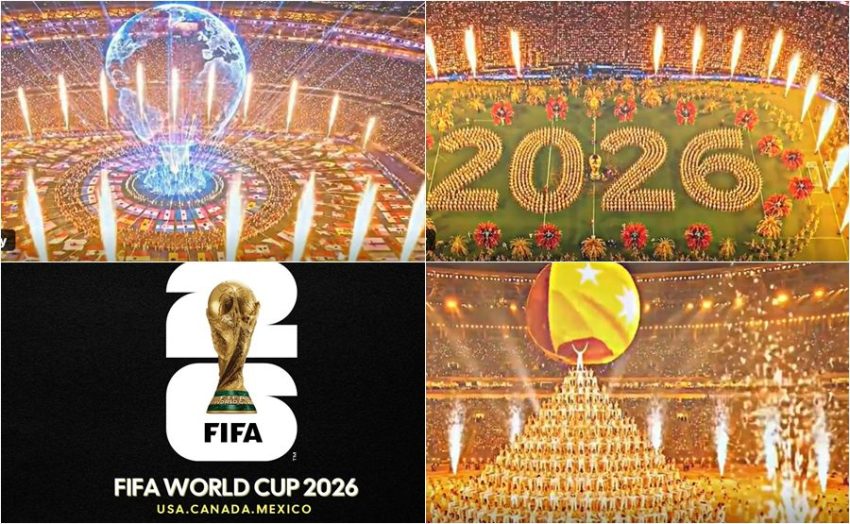
Securing entry to the 2026 tournament required navigating a strict, multi-phase release schedule managed directly by FIFA. Because the competition spanned three host nations across 104 matches, demand shattered previous records. Fans who missed early registration windows had to adapt quickly to shifting sale periods, lottery draws, and face-value resale options. Understanding how this ticketing roadmap unfolded helps clarify how millions of seats changed hands.
The official ticketing rollout began long before the opening whistle, breaking down into distinct early access phases, random draws, and final release windows. Knowing the sequence of these phases explains why late buyers faced entirely different purchasing mechanics than early applicants.
The Early Access and Lottery Phases
Ticket distribution kicked off in late 2025 with exclusive windows designed to manage high initial demand through randomized allocations rather than direct queues.
- Visa Presale Draw (September 2025): The earliest window ran from September 10 to September 19, 2025, and restricted entry exclusively to Visa cardholders. Successful applicants were chosen via a random draw.
- Early Ticket Draw (October 2025): Operating from October 27 to October 31, 2025, this phase included a domestic exclusivity period for residents in the host countries. Selected registrants received assigned time slots to log in and purchase available inventory.
- Random Selection Draw (December 2025 – January 2026): Running from December 11, 2025, to January 13, 2026, this window opened applications to the general global public. Fans submitted requests without payment guarantees, waiting for post-draw allocation emails.
Parallel to the public random draw, the Participating Member Association (PMA) Supporters phase allowed fans of qualified national teams to apply for tickets tied specifically to their country's group-stage allocations.
The Last-Minute Sales Phase and Real-Time Purchases
Once the initial lottery phases closed, FIFA shifted to an open marketplace model for supporters seeking remaining inventory.
The Last-Minute Sales Phase opened on April 1, 2026. Unlike the lottery draws, this final window operated entirely on a first-come, first-served basis. Transactions processed in real time, meaning successful buyers received immediate confirmation. Single-match tickets formed the core of this inventory, though strict household limits prevented hoarding. Fans could purchase a maximum of four tickets per match, capped at 40 tickets total per household across the entire tournament.
Navigating the Official Resale Marketplace
When primary allocations sold out, supporters relied on the official FIFA Ticket Portal to secure seats through authorized secondary channels.
- Face-Value Exchange: The official resale platform allowed fans who could no longer attend to list their tickets safely at face value.
- Avoiding Unauthorized Brokers: While independent secondary sites listed inventory, official guidelines warned that only tickets secured through official channels carried guaranteed stadium entry validity.
Frequently Asked Questions
Could I buy tickets without a Visa card during the early phases?
No. The September 2025 Visa Presale Draw required a valid Visa card for both registration and payment. Subsequent phases later in the autumn opened up alternative payment methods.
What was the maximum number of tickets one household could buy?
Households were capped at a strict limit of 40 tickets total across the entire tournament, with a maximum of four tickets per individual match.
Were team-specific group stage tickets guaranteed after the final draw?
No. While PMA supporter phases prioritized fans of qualified nations, allocations remained subject to overall stadium capacity and high demand, forcing many supporters into the random draw or resale pools.
How did the last-minute sales phase differ from the random selection draw?
The random selection draw collected applications over weeks and allocated seats via a lottery system. The last-minute phase operated on a live, first-come, first-served basis where available seats could be bought instantly.



