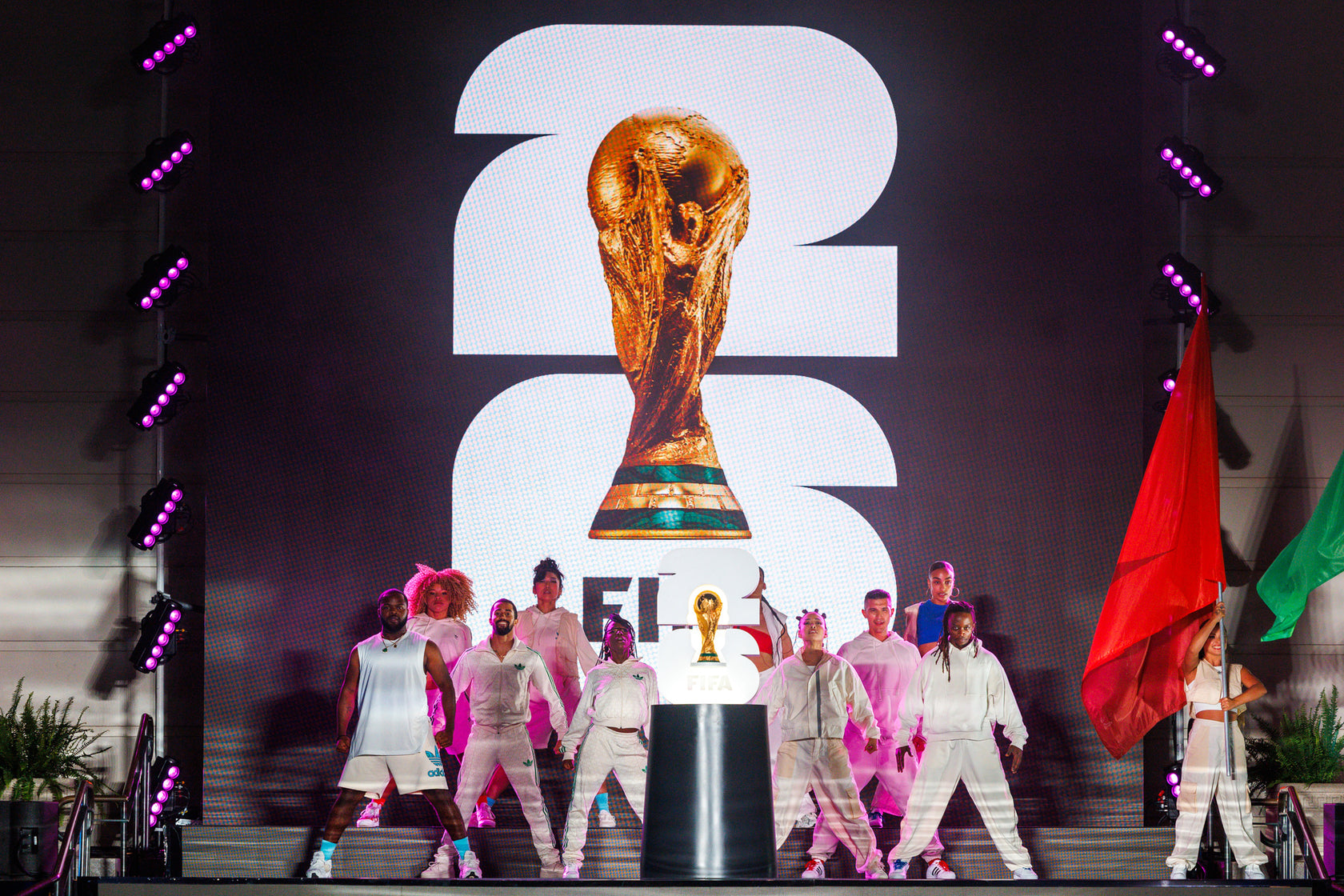
The 2026 FIFA World Cup marked a watershed moment for international football, rewriting the rules of the sport's premier global showcase. Jointly hosted across Canada, Mexico, and the United States, the tournament introduced a massive expansion to 48 teams and a grueling 104-match schedule. This shift transformed the tactical landscape, welcoming new debutants and altering how squads manage fatigue, travel, and depth across North American time zones.
Understanding how this unprecedented event unfolded requires looking past basic promotional hype. We'll examine the operational realities, the structural overhaul of the tournament groups, and the lasting footprint left on international soccer.
The Expanded 48-Team Format and Group Dynamics
For decades, the standard 32-team format governed the World Cup, establishing a predictable rhythm of group matches and tight margins for error. The transition to 48 teams altered that arithmetic entirely, dividing participants into twelve groups of four.
Under the revised progression rules, the top two teams from each group alongside the eight best third-place finishers advanced to a newly introduced Round of 32. This modification increased the total match count from 64 to 104 games, placing a premium on squad depth. National team managers couldn't rely on a core eleven players anymore. Rotation became a survival mechanism, especially given the vast distances between host venues in the United States Government footprint, Canadian provinces, and Mexican regions.
- Group Stage Expansion: Twelve distinct groups created more varied inter-confederation matchups early in the tournament.
- The Round of 32 Cushion: Strong third-place finishes kept underdog hopes alive deeper into the schedule than previous cycles allowed.
- Travel Fatigue: Squads flying between Vancouver, Miami, and Mexico City faced intense climatic and circadian shifts.
A Tri-Nation Hosting Model Across North America
Spreading a tournament across three distinct countries required massive coordination between municipal authorities, commercial partners, and sport governing bodies like FIFA. Sixteen host cities split the burden, with the United States staging the bulk of the fixtures, while Canada and Mexico shared initial group matches and early knockout rounds.
Venues ranged from historic cathedrals like Estadio Azteca in Mexico City to modern NFL arenas adapted for pitch-widening requirements. This multi-nation approach tested ticketing platforms, security protocols, and international fan transit on an unprecedented scale.
Host Country Match Distribution
- United States: Hosted 78 matches across 11 cities, including the high-stakes latter stages and the final at MetLife Stadium in New Jersey.
- Canada: Staged 13 matches split between Toronto and Vancouver, energizing domestic support for the Canadian program.
- Mexico: Managed 13 matches distributed across Guadalajara, Monterrey, and Mexico City, celebrating a historic third time hosting the global event.
Debutants, Underdogs, and Shifts in Global Power
The expansion wasn't just about adding games; it democratized access for underrepresented confederations. Nations that spent decades watching from the sidelines finally broke through the qualification barrier. Teams like Cape Verde, Curaçao, Jordan, and Uzbekistan made their maiden World Cup appearances, introducing fresh tactical approaches to the global stage.
At the same time, traditional powerhouses had to adapt to facing opponents with unfamiliar defensive low blocks and rapid counter-attacking profiles. Traditional heavyweights like Spain, Argentina, France, and England still dominated the deep knockout rounds, but their paths required navigating tricky psychological hurdles against energized underdogs who had nothing to lose.
Frequently Asked Questions
How many teams competed in the 2026 World Cup?
The tournament featured 48 national teams, an increase from the 32 teams that competed in previous editions.
Which countries co-hosted the tournament?
Canada, Mexico, and the United States shared hosting duties, marking the first time a men's World Cup was split across three nations.
How many total matches were played?
The expanded format expanded the schedule to 104 total matches, culminating in the final at MetLife Stadium.
Did any new teams qualify for the first time?
Yes. Several nations, including Cape Verde, Curaçao, Jordan, and Uzbekistan, made their historic tournament debuts.



