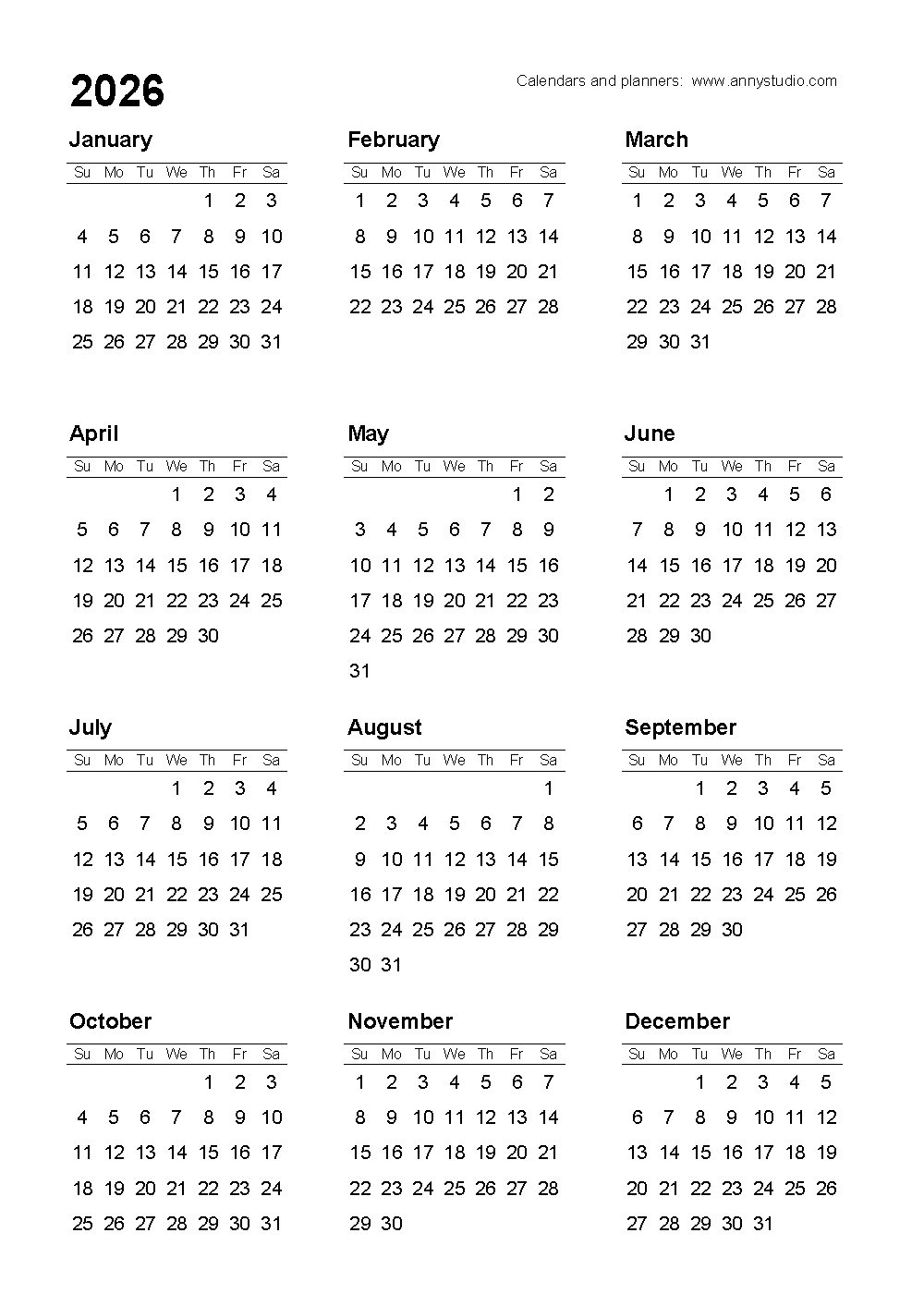
The 2026 Men's T20 World Cup delivered a month of high-intensity cricket across the subcontinent, co-hosted by India and Sri Lanka. Running from February 7 to March 8, 2026, the tenth edition of the tournament expanded the competitive boundary of international cricket by bringing twenty national teams together across eight host venues. Fans experienced fifty-five matches characterized by strategic bowling performances, aggressive powerplays, and unexpected results from rising associate nations.
Beyond the baseline scores, the tournament featured structural adjustments, distinct regional qualification pathways, and record-breaking performances that shaped the global standing of the sport. Understanding how the event operated requires looking past the final scoreboard and examining the architecture of the competition, venue logistics, and player statistics managed by the International Cricket Council.
Tournament Format and Structure
The competition followed a three-phase structure designed to separate twenty teams into an elite playoff bracket.
- Group Stage: The twenty participating sides were split into four groups of five teams each. Every team played four matches within their group, following a single-round robin format.
- Super Eight Stage: The top two teams from each group advanced to the Super Eight round, split into two groups of four. Teams played three matches against group opponents to determine semifinal qualification.
- Knockout Phase: The top two teams from each Super Eight group advanced to the semi-finals, culminating in the final match hosted at the Narendra Modi Stadium in Ahmedabad.
Unlike previous iterations that carried group stage points forward, the Super Eight stage reset points, placing a premium on immediate performance in the secondary group encounters.
Host Venues Across India and Sri Lanka
Splitting matches across two nations introduced unique travel schedules and pitch conditions. Five Indian cities and three Sri Lankan locations hosted the fixtures.
- Indian Venues: Matches in India were played at the Narendra Modi Stadium in Ahmedabad, Wankhede Stadium in Mumbai, Eden Gardens in Kolkata, Arun Jaitley Stadium in Delhi, and M.A. Chidambaram Stadium in Chennai. These grounds typically offered high-scoring pitches, with heavy dew factors influencing evening game strategies.
- Sri Lankan Venues: Sri Lankan fixtures utilized the R. Premadasa Stadium and the Sinhalese Sports Club Cricket Ground in Colombo, alongside the Pallekele International Cricket Stadium in Kandy. Tracks here traditionally favored spin bowling and required adaptable batting lineups.
Qualification Pathways and Contenders
Securing a spot in the twenty-team lineup involved automatic qualification alongside regional tournaments. India and Sri Lanka gained direct entry as host nations, alongside top-performing teams from the 2024 tournament and high-ranking sides on the official T20I rankings.
Regional qualifiers filled the remaining slots, allowing associate members like Italy and Canada to test themselves against established Test-playing nations. This mix produced notable group-stage upsets, highlighting the narrowing gap in international short-format cricket.
Standout Statistics and Individual Honors
The tournament concluded with India claiming the championship title after defeating New Zealand in the final at Ahmedabad. Individual performances defined the narrative arc of the month:
- Leading Run-Scorer: Sahibzada Farhan accumulated 383 runs, anchoring innings through disciplined shot selection and acceleration in the middle overs.
- Leading Wicket-Takers: Jasprit Bumrah and Varun Chakravarthy shared top bowling honors with 14 wickets each, utilizing economy and variations in pace during high-pressure spells.
- Player of the Series: Sanju Samson earned the tournament's highest individual accolade through consistent batting contributions in crucial phases of the knockout matches.
Total attendance crossed 1.3 million spectators across the host nations, reinforcing the commercial and cultural footprint of the short format.
Frequently Asked Questions
Who won the 2026 T20 World Cup?
India won the tournament, defeating New Zealand in the final match held at the Narendra Modi Stadium in Ahmedabad.
How many teams competed in the tournament?
A total of twenty teams participated, divided initially into four groups of five during the group stage.
Which countries co-hosted the event?
The tournament was co-hosted by India and Sri Lanka, utilizing eight total venues across both countries.
How many total matches were played?
The schedule comprised fifty-five matches, running from the group stage openers through the Super Eight and knockout rounds.



