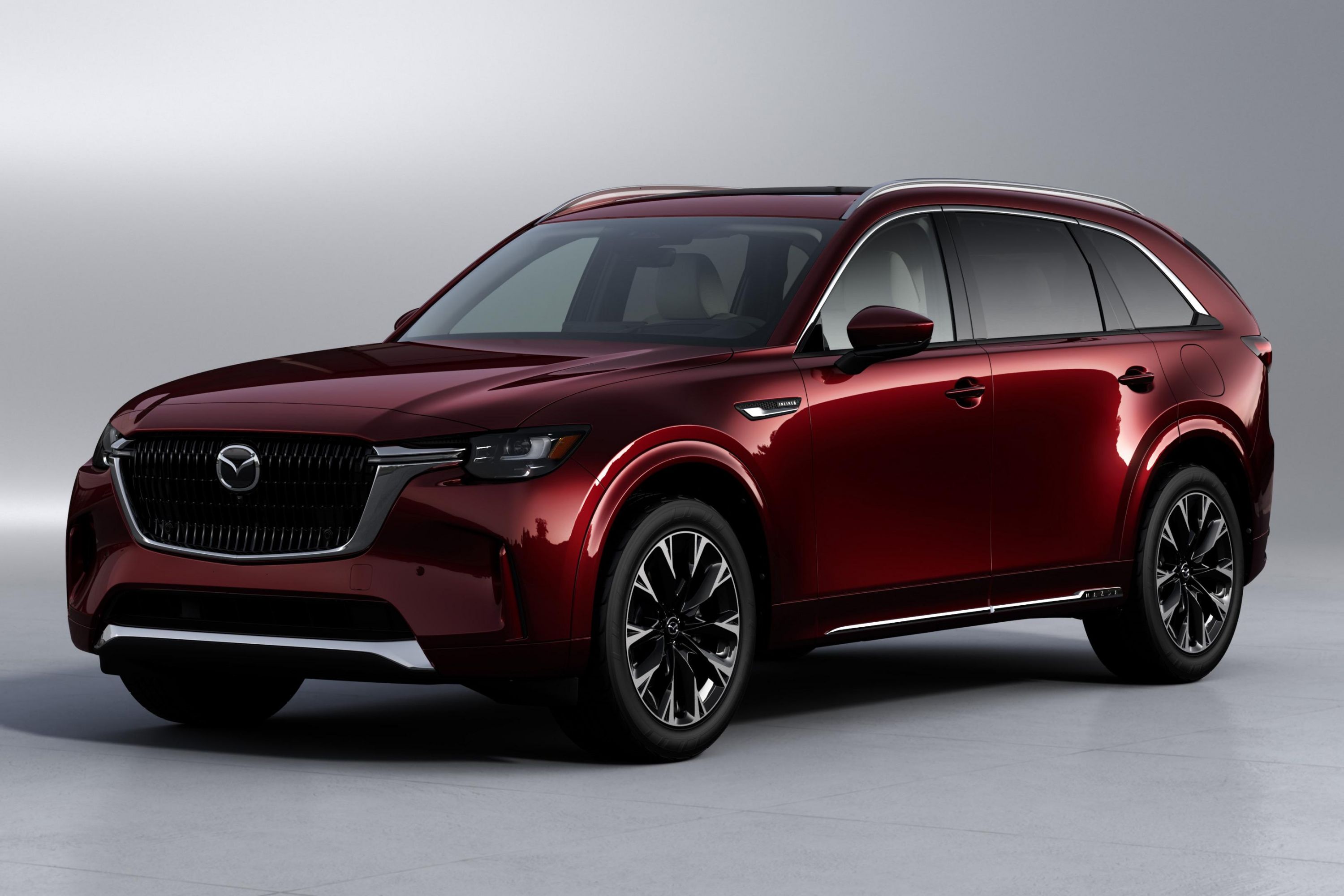
Buying a new compact SUV in Costa Rica requires navigating heavy import duties, cascading local taxes, and specialized pricing structures that differ completely from North American sticker prices. If you're eyeing the latest model, understanding the actual financial commitment goes beyond a simple currency conversion. Local dealer markups and government-mandated excise taxes shape the final figure you will see on the showroom floor in San José or Heredia.
The base MSRP for the vehicle in international markets hovers around $29,990, but by the time a model clears customs and reaches local inventory, cumulative taxes push final retail figures significantly higher. Used and nearly-new models listed through platforms like CRAutos often command upwards of $41,000 depending on mileage, trim level, and whether all national registration fees have been settled.
Why Car Prices in Costa Rica Differ From North America
Vehicle sticker prices in Costa Rica regularly shock expats and tourists. A model that sells for under $30,000 stateside can easily cross the $40,000 threshold after arriving in Central America. This price gap stems entirely from the country's strict fiscal policy on imported motor vehicles.
Every vehicle entering Costa Rica faces a multi-layered tax structure managed by the Ministry of Treasury (Hacienda). Rather than taxing just the invoice price, customs officials calculate duties using the CIF value—Cost, Insurance, and Freight—or the government's internal vehicle valuation database (Auto Valor), whichever is higher. More details on this are explored by Associated Press.
- Import Duty: Base customs tariffs scale according to the age of the vehicle, starting around 52.29 percent for vehicles under three years old.
- Selective Consumption Tax: An excise tax ranging from 30 to 50 percent applies based on engine displacement and vehicle classification.
- Value Added Tax (VAT): A flat 13 percent sales tax stacks on top of the cumulative total of the CIF value plus the preceding taxes.
Because these taxes compound, acquiring a modern imported SUV involves paying a heavy premium to the state before the keys ever change hands.
Breakdown of Trims and Local Market Availability
The vehicle lineup features multiple trim levels, each scaling in price and interior amenities. While international buyers choose between the base 2.5 S, Select, Preferred, Premium, and Premium Plus variants, local availability in Costa Rica depends heavily on what official regional distributors (such as Grupo Purdy or independent importers) choose to stock, alongside pre-owned arrivals entering via private shipping or local trade-ins.
- Base 2.5 S: Equipped with standard i-ACTIV AWD, a 12.9-inch touchscreen, and essential driver assists. It serves as the entry point, though regional delivery fees and administrative overhead adjust the baseline.
- Select and Preferred Trims: Introduce leatherette seating, power liftgates, and enhanced connectivity. These strike a popular balance for daily driving comfort on uneven infrastructure.
- Premium and Premium Plus Trims: Bring genuine leather, Bose audio, panoramic sunroofs, and expanded 360-degree camera systems. These top-tier editions push local resale and secondary market values even higher due to the high demand for luxury finishes in urban centers like Escazú and Santa Ana.
Ongoing Ownership Costs: Marchamo and Maintenance
Purchasing the vehicle is only the first step. Operating a motor vehicle in Costa Rica involves annual recurring fees that catch many new owners off guard.
The most critical annual expense is the Marchamo, a comprehensive circulation fee bundled together each November. It combines your mandatory statutory liability insurance (SOA) with a vehicle property tax determined by Hacienda based on the car's current fiscal depreciation scale. Newer models with higher market values carry a substantially steeper Marchamo than older economy cars. Failing to pay the Marchamo by December 31 triggers steep fines and license plate confiscation.
Routine maintenance also requires planning. While authorized service networks exist for major Japanese brands, sourcing specific body panels or electronic components after minor collisions can involve waiting weeks for parts to clear customs. Securing comprehensive local insurance through institutions like the Instituto Nacional de Seguros (INS) is essential to protect against high repair costs.
Common Mistakes When Buying a Car in Costa Rica
Navigating the local auto market requires vigilance to avoid costly financial pitfalls.
- Underestimating Total Import Costs: Attempting to import a vehicle independently often backfires. Between shipping fees, port storage, and steep customs valuations on older vehicles, buyers frequently discover that importing costs more than purchasing a pre-cleared unit locally.
- Skipping the Mechanical Inspection: Never purchase a used or imported vehicle without an independent pre-purchase inspection. Hidden frame damage or compromised suspension components from rough road conditions can lead to immediate four-figure repair bills.
- Ignoring Title and Lien Status: Always verify through the National Registry (Registro Nacional) that the vehicle is free of liens, unpaid traffic fines (partes), and ownership discrepancies before signing a transfer deed.
Frequently Asked Questions
Why are car prices in Costa Rica so much higher than in the United States?
Prices are driven up by mandatory import tariffs, selective consumption excise taxes ranging up to 50 percent, and a 13 percent VAT that all stack cumulatively on top of government-assessed vehicle values.
Is it better to import a car or buy one locally?
For almost all standard vehicles, buying locally is simpler and more cost-effective. Import duties on vehicles under three years old exceed 50 percent of their appraised value, erasing any savings from buying abroad.
What is the Marchamo?
The Marchamo is Costa Rica's mandatory annual vehicle circulation tax and insurance fee. It goes on sale every November and must be paid in full by December 31 to keep the vehicle legal for road use.
Are spare parts readily available for modern SUVs?
While routine consumable parts like brake pads and filters are generally easy to find through local dealers, specialized body panels or computer modules for brand-new model years may require international freight shipping.



