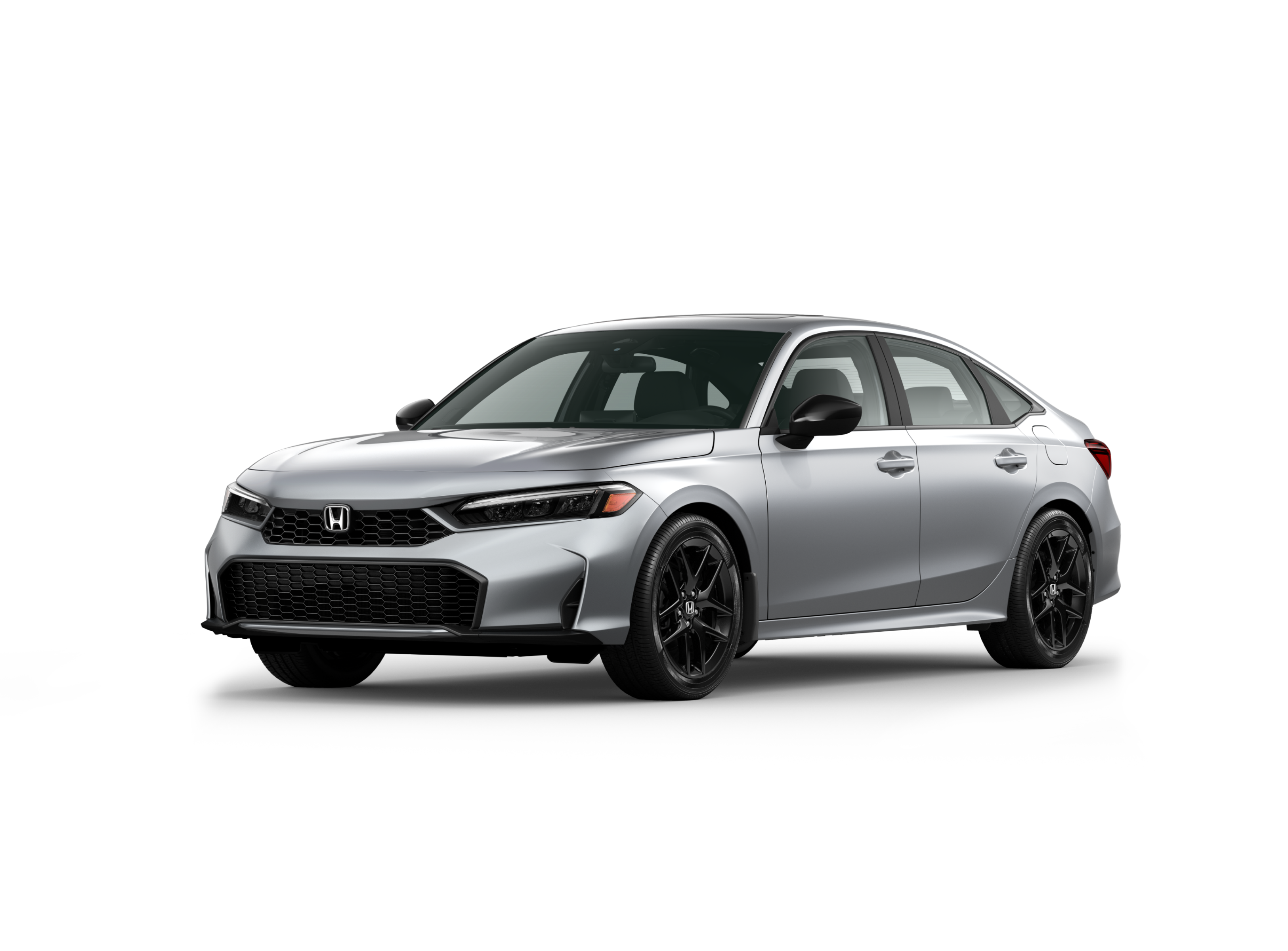
Purchasing an 11th-generation 2022 Honda Civic brings a complete redesign, sharper styling, and refined driving dynamics, but it also introduces specific mechanical and electrical quirks that owners frequently encounter. If you're noticing sticky steering, a sluggish infotainment screen, or unusual transmission hesitations, you're not alone. We'll break down the most prominent real-world problems reported by 2022 Civic owners and provide exact steps to diagnose and resolve them.
Whether you drive the 2.0-liter naturally aspirated engine or the 1.5-liter turbocharged variant, knowing what to look out for helps you protect your investment. Let's dive straight into the common trouble spots and their practical fixes.
1. Sticky Steering and Steering Wheel Resistance
One of the most widely reported physical grievances with the 11th-generation Civic is a noticeable "sticky" or notched feeling in the steering wheel during highway driving. Drivers often describe it as feeling like the steering wheel catches slightly on center, requiring small, jerky corrections to stay in a straight lane.
This issue stems from an internal component within the Electric Power Steering (EPS) rack where specific gears can bind under certain temperature conditions. Honda issued technical service bulletins and warranty extensions for affected steering gearboxes. More reporting by Bloomberg delves into similar views on this issue.
- How to diagnose: Pay attention during long highway stretches at speeds above 50 mph. If you feel a slight detent or resistance when trying to make micro-adjustments to your steering wheel, you're experiencing the EPS rack bind.
- The fix: Don't attempt to lubricate or adjust the mechanical linkage yourself. Take your car to an authorized dealership. Under warranty, technicians will inspect the electronic power steering gearbox and replace the steering rack assembly free of charge.
For official details on active recalls and technical service bulletins regarding this steering issue, consult the NHTSA Recalls Database.
2. Infotainment Freezing and Apple CarPlay Drops
The 7-inch and 9-inch touchscreens found in the 2022 Civic models frequently experience software freezes, laggy responses, and dropped smartphone mirroring connections. Wireless Apple CarPlay and Android Auto can disconnect mid-drive or fail to pair entirely.
- Quick soft reset: Press and hold the audio power button (the volume knob) for about 10 seconds until a prompt asks if you want to reboot the system. This clears temporary cache memory glitches.
- Updating firmware: Head into your infotainment settings menu, connect to a stable Wi-Fi network (or use a mobile hotspot), and check for system software updates. Outdated firmware is the primary culprit behind connectivity loops.
- Hardware and cable checks: If you're using wired projection, replace your USB-C cable with a high-grade data-transfer cable. Frayed or cheap charging-only cables cause data packet loss, leading to constant disconnects.
3. CVT Transmission Hesitation and Noise
The Continuously Variable Transmission (CVT) paired with both engine options delivers smooth power delivery, but some drivers report a rubber-band delay during acceleration, whining noises at highway speeds, or rough engagement when shifting between Park and Drive.
- Fluid condition check: CVT fluid degrades faster under heavy commuting or aggressive driving. If you notice delayed engagement, check your transmission fluid level and condition using the dipstick under the hood (when the engine is warm and running on a level surface).
- Fluid service interval: While lifetime fluids are marketed by some manufacturers, changing your CVT fluid every 30,000 to 40,000 miles prevents premature wear on the push belts and pulleys.
- Software calibration: Sometimes transmission hesitation is linked to Powertrain Control Module (PCM) calibration. Dealerships can reflash the transmission control software to smooth out shift logic and throttle response.
To learn more about proper vehicle maintenance schedules and fluid types recommended for your specific trim, check out Honda Owners Maintenance Info.
4. Fuel Injector Failure and Engine Misfires
The 1.5-liter turbocharged four-cylinder engine delivers punchy performance, but like direct-injection engines across many modern brands, it can experience carbon buildup on intake valves and premature fuel injector wear, leading to rough idling and engine misfire codes.
- Symptoms: A blinking check engine light, engine shaking at stoplights, and a loss of power during acceleration.
- Diagnosis: Use an OBD2 scanner to check for diagnostic trouble codes like P0300 (random misfire) or specific cylinder misfire codes.
- Resolution: If injectors are clogged or failing, cleaning treatments rarely suffice. Dealerships typically replace faulty fuel injectors under the federal emissions warranty or powertrain warranty if mileage permits. Using top-tier gas with high detergent levels helps minimize carbon accumulation over time.
Frequently Asked Questions
Is the 2022 Honda Civic expensive to maintain?
No, overall maintenance costs for a 2022 Civic are below average compared to other compact cars. Routine oil changes, tire rotations, and air filter replacements are straightforward and inexpensive if performed on schedule.
How do I know if my 2022 Civic has an open recall?
You can verify open safety campaigns by visiting the official Honda Recalls Lookup page and entering your vehicle's 17-digit Vehicle Identification Number (VIN).
Why does my 2022 Civic battery keep dying?
Parasitic draw from accessories, a failing electronic key fob kept too close to the vehicle (causing the car's computer systems to stay awake), or an aging 12V battery can cause unexpected drain. Have your battery load-tested at an auto parts store if you experience repeated dead starts.



