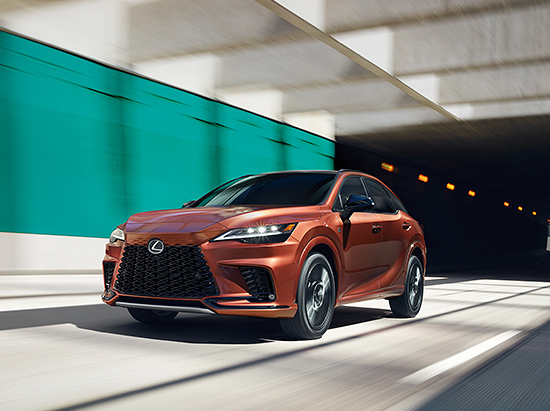
The 2020 Lexus UX 250h F Sport blends high city fuel efficiency with aggressive styling and sharper handling than its standard stablemates. If you're shopping for a compact luxury hybrid crossover, this trim gives you the look and feel of a sports car without punishing your wallet at the fuel pump. It delivers 181 total system horsepower and pairs it with an EPA-estimated 41 mpg in the city and 38 mpg on the highway for front-wheel-drive variants, making it a strong contender for urban commuters and city dwellers.
Driving this hybrid means accepting a specific set of packaging trade-offs. The cabin looks great, but rear-seat legroom is tight, and the cargo area trails segment rivals. You'll want to weigh whether its bulletproof reliability and efficiency outweigh its tight interior space and polarizing infotainment interface.
Powertrain, Performance, and Real-World Fuel Economy
Under the hood sits a 2.0-liter four-cylinder engine working alongside high-output permanent-magnet electric motors, pushing out a combined 181 horsepower. The F Sport package doesn't add extra power, but it transforms the driving dynamics through a sport-tuned suspension, performance-inspired dampers, and a stiffer chassis setup.
When you mash the pedal, the electric motor steps in immediately to mask turbo or hybrid lag, providing quick off-the-line torque. Zero to sixty takes about 8.6 seconds. It won't win drag races, but it feels punchy enough darting through tight city streets.
Fuel economy is where the vehicle shines. Real-world testing matches official EPA numbers closely, hovering near 39 mpg combined when you utilize Eco mode and drive smoothly. The electronic all-wheel-drive system (E-Four) uses a dedicated rear electric motor to kick in extra traction the moment slip is detected, keeping you planted on wet or slick roads without dragging down fuel efficiency as much as a traditional heavy mechanical driveshaft would.
Cabin Layout, Ergonomics, and Cargo Compromises
Step inside the F Sport cabin and you'll find sports seats that hug your torso tightly, a thick-rimmed steering wheel with paddle shifters, and an LFA-inspired sliding digital gauge cluster that moves when you press a button on the dash. Materials feel upscale, with soft-touch plastics and precise switchgear.
However, packaging constraints are hard to ignore. Front passengers have plenty of stretch-out room, but rear-seat legroom is restricted to 33 inches. Adults sitting in the back on long road trips will feel cramped.
Cargo capacity is another limitation. The hybrid battery pack eats into available room, leaving roughly 17.1 cubic feet behind the rear seats. You can load grocery bags or weekend duffels, but bulky items or large suitcases require folding the rear seats flat.
Infotainment Quirks and Tech Frustrations
Technology integration is one of the weakest aspects of this model year. Lexus uses a trackpad-style Remote Touch interface to navigate the center infotainment display. It requires a steep learning curve and causes driver distraction because your eyes have to stay locked on the screen to confirm cursor placement.
Apple CarPlay and Android Auto come standard, which saves you from relying entirely on the native menu software. Voice commands work reasonably well for basic climate and audio controls, but you'll likely grow tired of the trackpad if you try to pinch-to-zoom or swipe while driving.
Common Ownership Issues to Watch For
Buying a pre-owned model means checking for a few known service bulletins. Review these common problem areas before signing paperwork:
- 12V Battery Drain: Because the vehicle relies heavily on standby electronic modules, leaving the car parked un-driven for over a week can deplete the auxiliary 12V battery. Many owners install trickle chargers if they travel frequently.
- Infotainment Freezes: Early 2020 software can occasionally lag, freeze, or drop Bluetooth connections. A quick dealer software flash usually resolves the glitch.
- Road Noise from Performance Tires: The wider, low-profile tires wrapped around the F Sport wheels create more coarse-pavement drone than standard base models.
Frequently Asked Questions
Does the 2020 Lexus UX 250h require premium gasoline?
No. It runs on regular 87-octane unleaded fuel, which helps lower your ongoing ownership costs significantly compared to other luxury vehicles that demand premium gas.
Is the F Sport suspension too stiff for daily driving?
It's firmer than the base or Luxury trims, but it isn't punishing. The adaptive variable suspension handles potholes with composure, though you will feel sharp bumps more acutely due to the low-profile sidewalls.
Can you tow a trailer with this hybrid SUV?
Lexus doesn't officially rate the UX 250h for towing in North America. Trying to pull a trailer can strain the hybrid transaxle and void your powertrain warranty.
How does the E-Four all-wheel-drive system work?
Instead of heavy driveshafts running from front to back, a dedicated electric motor powers the rear wheels independently when extra grip is needed below 43 mph, maximizing efficiency.
To learn more about current vehicle specs or certified pre-owned options, you can check out details directly on the Lexus Official Website or review safety ratings from the IIHS.



