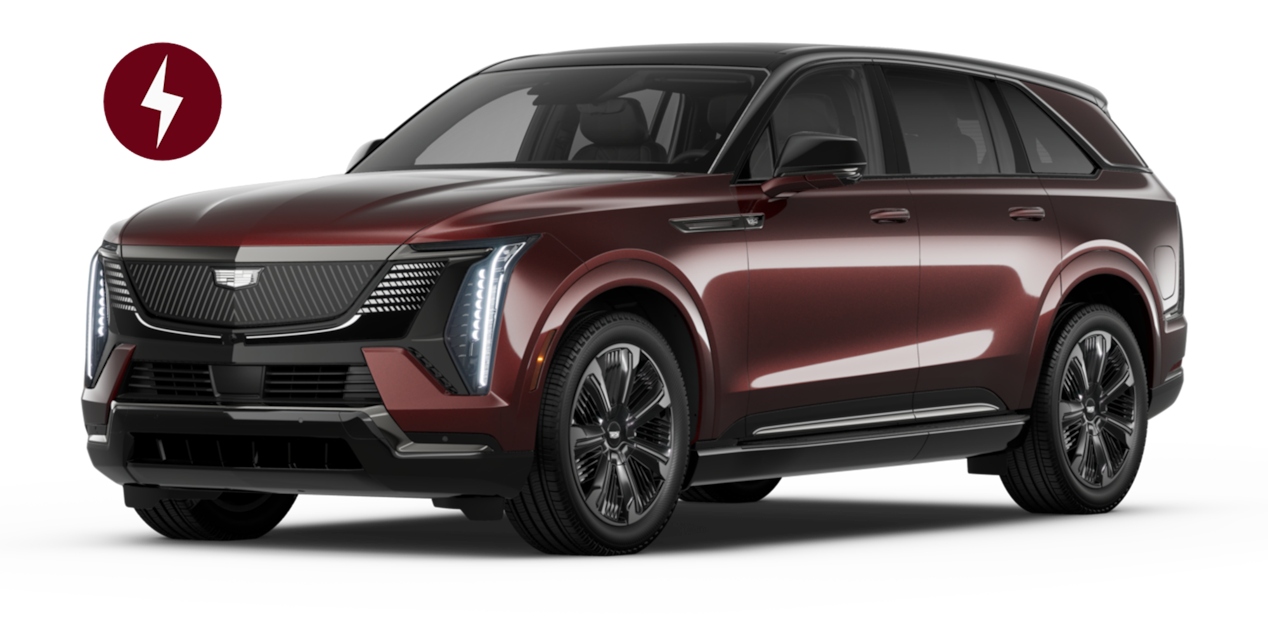
The 2016 Cadillac SRX marks the final bow for the second-generation luxury crossover before Cadillac replaced it with the XT5. Beneath its sharp angles, bold chrome grille, and upscale badge lies a complex machine. Buyers drawn to its muscular 308-horsepower V6 engine and quiet highway manners often overlook the heavy curb weight, tight rear legroom, and notorious electronic quirks that define long-term ownership. Evaluating this midsize crossover requires looking past the showroom polish to examine actual performance numbers, common mechanical liabilities, and true utility.
For anyone shopping the used luxury market, this model year represents a crossroads. It offers strong towing credentials and a smooth ride at a fraction of its original MSRP, but it also carries known factory recalls and infotainment frustrations. Understanding how the powertrain handles daily driving, where the interior layout falls short, and which trim levels offer the best balance of features helps determine if this machine fits your driveway.
Powertrain and On-Road Performance
Every version of the 2016 Cadillac SRX relies on a naturally aspirated 3.6-liter V6 engine pushing out 308 horsepower and 265 pound-feet of torque. Mated to a six-speed automatic transmission, this setup moves the crossover with authority from a dead stop, hitting zero to sixty miles per hour in roughly 6.8 seconds.
On the highway, the vehicle tracks straight and feels stable, absorbing road imperfections cleanly through its suspension. Front-wheel drive comes standard, but all-wheel-drive configurations add adaptive suspension dampers on higher trims, tightening body roll through sharp corners.
Fuel economy remains a weak point. Real-world testing and EPA ratings hover around 16 to 17 miles per gallon in city driving and roughly 23 to 24 miles per gallon on the highway. That thirst is the price of hauling a heavy chassis powered by an older six-cylinder engine design. When properly equipped with the towing package, it handles up to 3,500 pounds, making it practical for light trailers, jet skis, or small campers.
Cabin Layout, Technology, and Comfort
Inside, the cabin aims for high-end status with leather seating surfaces, ambient lighting, and accented stitching. Front occupants enjoy wide adjustments and solid support, though rear-seat passengers face tighter legroom and upright bench angles than class competitors provide. Cargo capacity reaches 30 cubic feet behind the second row, expanding to 61 cubic feet with the rear seats folded flat.
The dashboard layout introduces a major point of friction: the Cadillac User Experience (CUE) system. Relying entirely on capacitive touch-sensitive panels and a motorized folding touchscreen, the interface lacks physical tactile feedback for climate and audio controls. Drivers often find themselves glancing away from the road to confirm an input. Furthermore, screen delamination, freezing, and slow response times are well-documented long-term complaints.
On the bright side, standard amenities include a built-in 4G LTE Wi-Fi hotspot and an eight-speaker Bose audio setup that delivers crisp acoustics. Higher trim levels add a dual-screen rear-seat entertainment system and ventilated front buckets.
Known Reliability Issues and Maintenance Realities
While the engine block itself proves durable, peripheral systems generate frequent owner complaints. Recognizing these trouble spots prevents costly surprises after the purchase:
- Infotainment Failure: The CUE touch screen frequently cracks internally, bubbles, or becomes completely unresponsive, requiring expensive module replacements.
- Suspension and Steering Wear: Premature wear on rear toe links prompted safety recalls. Worn steering wheel position sensors can also trigger random electronic stalls or erratic idling.
- Lighting Assemblies: Water ingress into headlight housings causes premature bulb burnouts and fogging, particularly affecting daytime running lights and turn signals.
- Timing Chain Longevity: V6 models require strict oil change intervals. Neglecting maintenance accelerates timing chain wear, leading to check-engine lights and expensive engine service.
Review vehicle history reports carefully through platforms like the National Highway Traffic Safety Administration to ensure all safety recalls have been completed by a certified dealer.
Trim Levels and Choosing the Right Spec
The lineup is split into four distinct tiers: base, Luxury, Performance, and Premium.
The base model arrives reasonably well-appointed with 18-inch alloy wheels, rear parking sensors, and dual-zone climate control. However, stepping up to the Luxury trim introduces a panoramic sunroof, blind-spot monitoring, and keyless entry, making it the sweet spot for most buyers.
The Performance and Premium trims add larger 20-inch wheels, adaptive suspension dampers, Xenon headlamps, and driver-assistance features like lane departure warning and forward collision alert. If you live in a snowy climate, prioritize an all-wheel-drive variant over front-wheel drive for better winter traction. For broader automotive research, resources like Car and Driver offer deep archives of period-correct testing data.
Frequently Asked Questions
Is the 2016 Cadillac SRX a reliable used SUV?
It holds average reliability scores. While the powertrain is mechanically sound when maintained, electronic glitches, CUE screen failures, and suspension recalls require careful inspection before buying.
Does the 2016 model have Apple CarPlay or Android Auto?
No. The factory CUE infotainment software predates widespread integration of smartphone mirroring technologies, relying instead on Bluetooth, USB inputs, and auxiliary audio.
How much can a 2016 SRX tow?
When equipped with the factory trailering package, it features a maximum towing capacity of 3,500 pounds2016 Cadillac SRX: Luxury Crossover Reality and Review
Automotive
The 2016 Cadillac SRX marks the final model year for the second-generation crossover before the brand replaced it with the XT5. Buyers looking at the used luxury market often wonder if this specific year lives up to the marketing hype. It delivers a quiet ride, a punchy V6 engine, and sharp styling, but it also carries distinct compromises in interior packaging and aging technology that shoppers need to weigh carefully.
Navigating the market for a used luxury midsize crossover means balancing comfort against long-term maintenance costs and practical utility. The 2016 model wraps up a generation that ran from 2010 through 2016, meaning Cadillac had ironed out most of the early mechanical bugs by the time this version rolled off the assembly line. Yet, shoppers still face real-world trade-offs in cargo space, fuel economy, and infotainment usability compared to newer rivals like the Audi Q5 or BMW X3.
Overview of the 2016 Cadillac SRX Generation and Market Position
Cadillac designed the second-generation SRX to capture buyers abandoning traditional luxury sedans for high-riding utility vehicles. By 2016, the market had evolved significantly, but the SRX remained a top seller for the brand thanks to aggressive pricing and distinctive American styling.
Underneath the sculpted sheet metal, the vehicle shares a platform with other General Motors crossovers of that era. It relies on a heavy-duty chassis that provides a planted, highway-cruising demeanor. While competitors focused on lightweight handling or turbocharged four-cylinder efficiency, Cadillac stuck with a displacement-heavy formula that defined its driving character.
Trims and Package Hierarchy
Cadillac structured the 2016 lineup into four distinct trim levels: the base SRX, Luxury, Performance, and Premium.
- Base: Equipped with 18-inch alloy wheels, dual-zone automatic climate control, a power driver seat, and the standard Cadillac User Experience infotainment screen.
- Luxury: Adds a panoramic sunroof, leather upholstery, heated front seats, a heated steering wheel, blind-spot monitoring, and rear cross-traffic alert.
- Performance: Introduces 20-inch wheels, an adaptive damping suspension, a sport-tuned steering rack, xenon headlights, and a Bose surround-sound audio system.
- Premium: Tops the range with ventilated front seats, heated rear outboard seats, tri-zone climate control, navigation, and advanced driver assistance features like lane departure warning and forward collision alert.
Powertrain Performance and Real-World Driving Dynamics
Every 2016 Cadillac SRX features a 3.6-liter naturally aspirated V6 engine producing 308 horsepower and 265 pound-feet of torque. Power routes through a six-speed automatic transmission, available in either front-wheel drive or all-wheel drive.
That V6 engine is the high point of the driving experience. It delivers smooth, linear acceleration that makes highway passing effortless. The six-speed automatic transmission shifts smoothly, though it lacks the gear count and gear-hunting efficiency of modern eight- or nine-speed gearboxes.
Fuel Economy and Efficiency Realities
Efficiency is not this vehicle's strong suit. Front-wheel-drive models manage an EPA-estimated 17 mpg in the city and 24 mpg on the highway, while all-wheel-drive variants drop slightly to 16 mpg city and 23 mpg highway. In heavy commuter traffic, real-world numbers frequently hover in the mid-teens. If you want official fuel economy guidance for comparison, check the U.S. Department of Energy Fuel Economy Guide.
Ride Comfort and Handling Trade-offs
The SRX rides firmly, especially on trims equipped with the 20-inch wheels and adaptive suspension. It absorbs highway bumps with a reassuring solidity, but sharp urban potholes can send shudders through the cabin. Body roll is well-controlled for a vehicle weighing over 4,000 pounds, but it never feels nimble or sporty in tight corners. It's built for effortless cross-country road trips rather than carving canyon roads.
Interior Packaging, Comfort, and Technology Pitfalls
Cabin design leans heavily into mid-2010s luxury tropes, featuring sweeping dash lines, piano black accents, and ambient lighting. Front-seat passengers enjoy generous legroom and supportive, plush seating. However, rear-seat passengers face a tighter squeeze than the exterior dimensions suggest, and the sloping roofline cuts into rear headroom for taller adults.
Cargo capacity tells a similar story. The SRX provides 29.9 cubic feet behind the second row and 61.1 cubic feet with the rear seats folded flat. Those numbers trail segment leaders like the Lexus RX, making the SRX less ideal for bulky hauling tasks despite its crossover classification.
The CUE Infotainment Frustration
The most glaring flaw in the 2016 SRX is the Cadillac User Experience system. Featuring an 8-inch touchscreen flanked by capacitive touch-sensitive buttons, the interface is notoriously sluggish, prone to freezing, and difficult to operate while driving. The haptic feedback buttons often require multiple presses to register inputs. Buyers looking at a used SRX today should test this system thoroughly, as smartphone integration is limited compared to modern Apple CarPlay and Android Auto standards.
Common Reliability Concerns and Maintenance Realities
While the 2016 model year represents the most refined version of this generation, owners still report specific recurring mechanical issues that deserve attention during a pre-purchase inspection.
- Timing Chain Wear: While improved over earlier 2010-2012 models, the 3.6L V6 engine still requires diligent oil change intervals to prevent premature timing chain stretch. Listen for rattling noises on cold startup.
- CUE Screen Delamination: The touchscreen digitizer frequently suffers from bubbling or unresponsiveness due to adhesive failure under heat. Replacement screens are widely available aftermarket.
- Suspension Strut Leaks: Models equipped with the adaptive damping suspension feature expensive electronic struts that can leak and trigger dashboard warning lights as the vehicle ages past 100,000 miles.
- Power Liftgate Failures: The motorized rear hatch is prone to motor failure and strut fatigue, leaving the liftgate stuck open or closed.
Frequently Asked Questions
Does the 2016 Cadillac SRX have Apple CarPlay?
No. The 2016 SRX relies entirely on the native CUE infotainment software and does not support factory Apple CarPlay or Android Auto upgrades without aftermarket head unit replacements.
Is premium fuel required for the 2016 Cadillac SRX?
Cadillac recommends regular unleaded fuel (87 octane) for the 3.6L V6 engine, making it cheaper to fuel than many European luxury competitors that strictly mandate premium gas.
How does the SRX compare to the newer Cadillac XT5?
The XT5 replaced the SRX for the 2017 model year, bringing a lighter platform, significantly improved rear legroom, better fuel economy, and a much faster, more modern infotainment system with smartphone integration.
What is the towing capacity of the 2016 Cadillac SRX?
When properly equipped with the optional towing package, the SRX can pull up to 3,500 pounds, which is adequate for small utility trailers or jet skis but unsuited for heavy campers.



