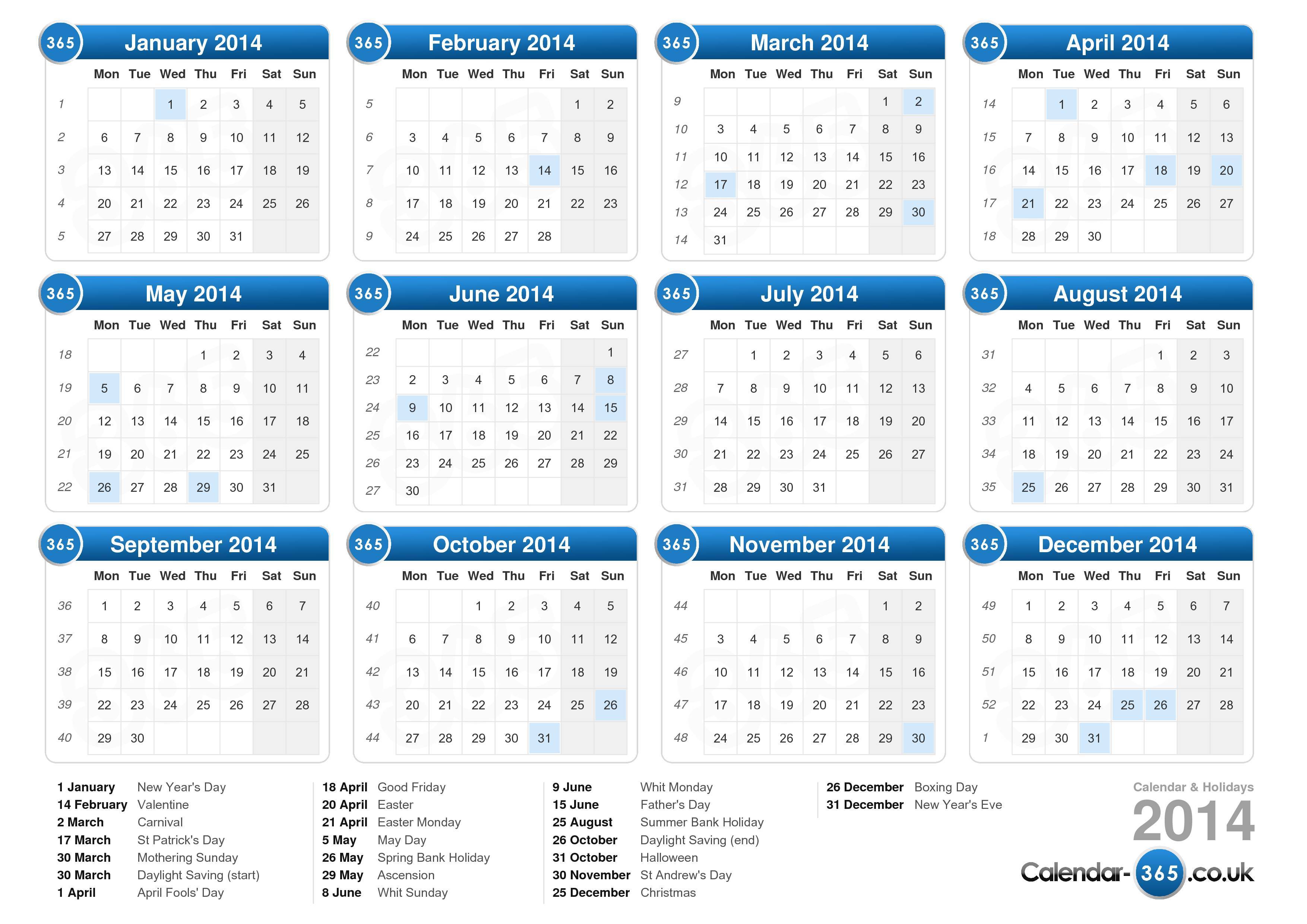
The 2014 NFL Draft stands as one of the most polarizing and talent-dense talent acquisitions in modern professional football history. Held from May 8 to May 10, 2014, at Radio City Music Hall in New York City, the event marked the first time the draft was pushed back to May. Franchises gathered to reshape their rosters through seven rounds of intense strategic maneuvering, high-stakes trades, and generational defensive selections.
At its core, search intent for this historic selection event centers on understanding who went where, which front offices won or lost their gambles, and how the class reshaped the league. While the top of the board featured immense hype surrounding edge rushers and polarizing quarterbacks, the true value of the 2014 class revealed itself in elite defensive anchors and mid-round offensive cornerstones.
The First Round: Elite Defenses and Early Surprises
The Houston Texans kicked off the night by selecting South Carolina defensive end Jadeveon Clowney with the number one overall pick. Hailed as a generational physical specimen, Clowney's entry set a defensive-heavy tone for the entire first round. Right behind him, the St. Louis Rams drafted Auburn offensive tackle Greg Robinson at number two, while the Jacksonville Jaguars selected UCF quarterback Blake Bortles at number three.
The early selections quickly gave way to historic value picks. The Oakland Raiders grabbed Buffalo edge rusher Khalil Mack at number five, a choice that yielded a Defensive Player of the Year career and a Hall of Fame trajectory. Later in the opening round, the St. Louis Rams secured Pittsburgh defensive tackle Aaron Donald at number thirteen. Donald evolved into arguably the most dominant interior defender in NFL history, making his selection one of the greatest draft-day steals ever recorded.
Other notable first-round outcomes included:
- Mike Evans to the Tampa Bay Buccaneers at number seven, providing a decade of elite receiving production.
- Odell Beckham Jr. to the New York Giants at number twelve, igniting the league with spectacular catches and immediate stardom.
- Zack Martin to the Dallas Cowboys at number sixteen, anchoring an offensive line that defined the franchise for years.
Major Draft-Day Trades
Front offices active on opening night engineered several blockbusters that altered franchise trajectories for the remainder of the decade. The most prominent early deal involved the Cleveland Browns and Buffalo Bills.
The Browns held the fourth overall pick and traded it to Buffalo in exchange for the ninth overall selection, alongside Buffalo's first- and fourth-round picks in 2015. The Bills used the fourth pick to select Clemson wide receiver Sammy Watkins. Cleveland then flipped the ninth pick to the Minnesota Vikings, ultimately selecting Oklahoma State cornerback Justin Gilbert at number eight, a move that backfired significantly as Gilbert flamed out of the league within a few seasons.
Another massive storyline unfolded when the Cleveland Browns traded back into the first round at number twenty-two to select Texas A&M Heisman-winning quarterback Johnny Manziel. The "Johnny Football" phenomenon created an unprecedented media circus, though off-field struggles and injuries cut his professional career short, cementing him as one of the most cautionary quarterback gambles in draft history. Meanwhile, the Minnesota Vikings traded back into the late first round to secure Louisville quarterback Teddy Bridgewater at thirty-two, stabilizing their offense before a devastating knee injury altered his path.
Mid-Round Gems and Later Steals
While draft analysts obsess over the first thirty-two picks, the 2014 class proved that long-term contention relies heavily on finding hidden talent on Days Two and Three. Franchises discovered multi-pro-bowl anchors deep into Saturday afternoon.
The Las Vegas Raiders found foundational quarterback stability in the second round by drafting Derek Carr out of Fresno State at thirty-six. Similarly, the Cleveland Browns secured elite interior protection by drafting Nevada guard Joel Bitonio in the second round.
Late-round evaluation shined through when unheralded prospects turned into household names. For instance, the Atlanta Falcons uncovered running back Devonta Freeman in the fourth round, while future star offensive linemen and defensive contributors emerged from the fifth, sixth, and seventh rounds. These selections validated scouting departments that prioritized scheme fit and character over raw athletic testing numbers.
Common Strategic Missteps
Reflecting on the 2014 selection process highlights recurring pitfalls that general managers face when evaluating young talent:
- Chasing Quarterback Desperation: Reaching for signal-callers out of sheer organizational need rather than true first-round evaluation led teams like Cleveland to draft prospects who lacked professional discipline.
- Overvaluing Combine Metrics: Several players drafted early on pure athletic upside failed to develop fundamental football instincts, leading to high-profile busts in the late first and early second rounds.
- Ignoring Interior Trenches Early: Teams that neglected interior offensive and defensive lines in favor of flashy skill-position players often found themselves outmatched in physical playoff matchups.
Detailed historical data and full draft round breakdowns are accessible through the Pro Football Hall of Fame Draft History and historical tracking archives provided by NFL.com Draft Tracker. Additional analytical deep dives into player value can be found via Pro Football Focus.
Frequently Asked Questions
Who was the number one overall pick in the 2014 NFL Draft?
The Houston Texans selected defensive end Jadeveon Clowney out of South Carolina with the first overall selection.
Which quarterbacks were drafted in the first round?
Three quarterbacks heard their names called on opening night: Blake Bortles went third to Jacksonville, Johnny Manziel went twenty-second to Cleveland, and Teddy Bridgewater went thirty-two to Minnesota.
Who are considered the best players from this draft class?
Aaron Donald and Khalil Mack stand out as the premier talents of the 2014 class, both earning multiple Defensive Player of the Year honors and building Hall of Fame resumes. Other elite contributors included Zack Martin, Mike Evans, and Odell Beckham Jr.
Why was the 2014 draft held in May?
The NFL moved the draft back from its traditional April window due to a scheduling conflict at Radio City Music Hall caused by the venue's prior event commitments. The league permanently returned to April formats in subsequent years.


