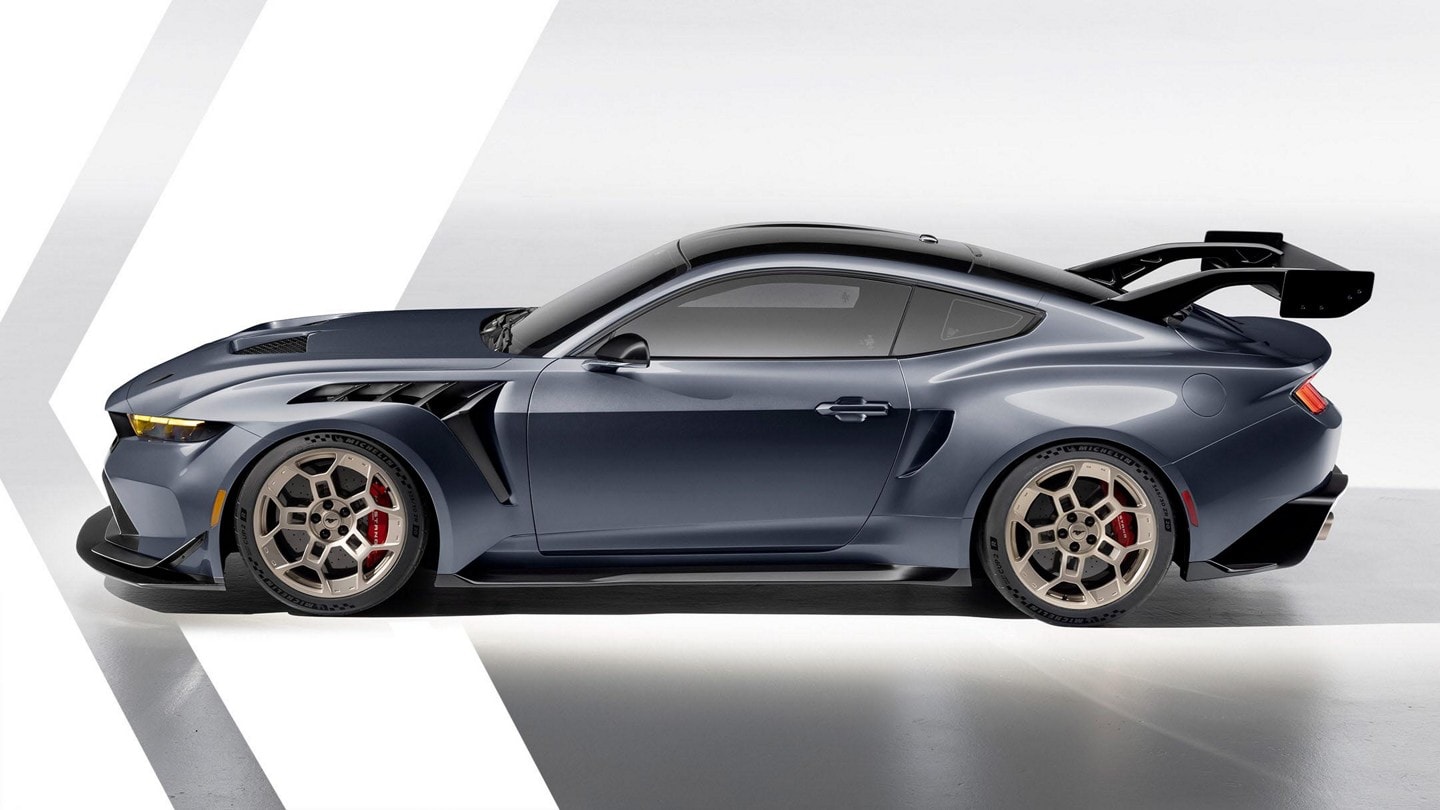
When Ford rolled out the 2008 Ford F-350, it marked a massive turning point for American heavy-duty trucks. Sporting a completely redesigned exterior, a beefed-up chassis, and the debut of the 6.4L Powerstroke V8 diesel engine, this truck promised monumental towing power to compete with Dodge and GM. Yet, beneath its muscular sheet metal lies a polarizing legacy. It was an engineering leap forward that collided headfirst with strict new federal emissions rules.
If you're looking at buying a used model or trying to understand its place in diesel history, you need more than surface-level specs. This truck changed how heavy-duty haulers operated, bringing both raw capability and notorious mechanical headaches that owners still talk about today.
The 6.4L Powerstroke Revolution
The biggest story of the 2008 model year was the replacement of the troubled 6.0L Powerstroke with the sequential twin-turbocharged 6.4L V8. Ford needed an engine that could out-muscle the competition while complying with increasingly stringent Environmental Protection Agency emissions standards.
The 6.4L answered the call with massive output figures right out of the box:
- Horsepower: 350 hp at 3,000 RPM
- Torque: 650 lb-ft at 2,000 RPM
- Fuel System: Piezoelectric common-rail fuel injection operating at up to 26,000 psi
This setup used a smaller, low-pressure turbocharger for instant throttle response off the line, handing off to a larger high-pressure turbocharger for top-end power. Paired with the TorqShift 5-speed automatic transmission, the truck could pull heavy loads with effortless authority, setting a new benchmark for commercial-grade capability.
Frame, Suspension, and Towing Capability
Ford didn't just drop a new engine into an old body; the 2008 F-350 sat on a fully boxed, high-strength steel frame engineered to reduce flex under heavy payloads. The suspension system featured a wider front track angle for a tighter turning radius, alongside proprietary coil-front suspension on four-wheel-drive models that smoothed out the rough ride typical of heavy-duty solid-axle trucks.
When properly configured with a dual-rear-wheel (dually) setup and the correct axle ratio, the 2008 F-350 boasted a maximum conventional towing capacity of up to 16,000 pounds, while fifth-wheel towing stretched past 24,000 pounds. It was built to serve construction sites, ranchers, and long-haul transporters who demanded a mobile workspace that wouldn't flinch under pressure.
The Emissions Burden: DPF and EGR Realities
To meet 2008 federal mandates, Ford had to introduce factory emissions equipment that changed diesel ownership forever. The 2008 F-350 was one of the first heavy-duty trucks equipped with a Diesel Particulate Filter (DPF) and an advanced Exhaust Gas Recirculation (EGR) cooler system.
While these components successfully trapped harmful soot particles, they introduced significant reliability challenges, especially in the early production run:
- Active Regeneration Cycles: The truck periodically injected extra fuel into the exhaust stream to burn off trapped soot. If trucks were driven primarily on short city trips, these cycles couldn't finish, leading to clogged filters.
- Oil Dilution: Unburned diesel fuel from incomplete regeneration cycles frequently washed down cylinder walls and pooled into the crankcase, thinning the engine oil and accelerating internal bearing wear.
- Cooling Stress: The EGR coolers were prone to thermal cracking, which could leak coolant directly into the intake system or combustion chambers.
Common Mechanical Vulnerabilities
Beyond emissions equipment, owners quickly discovered structural and mechanical weak points that required vigilant maintenance. The factory radiator featured plastic end-tanks with crimps that frequently separated under high heat and pressure, causing coolant leaks that could quickly overheat the engine.
Furthermore, the high-pressure fuel pump (HPFP) system was sensitive to fuel contamination. If water or poor-quality fuel entered the system, the pump could shed metallic debris, destroying the entire fuel injection system in one stroke. Under extreme tuning or high mileage, the factory pistons—featuring thin fuel bowls—were also susceptible to cracking under excessive cylinder pressures.
Frequently Asked Questions
What is the major difference between the 6.0L and 6.4L Powerstroke engines?
The 6.4L replaced the 6.0L in 2008, introducing a larger displacement, a sequential twin-turbo setup instead of a single variable-geometry turbo, a common-rail piezoelectric fuel system, and factory-integrated DPF emissions controls. While the 6.4L made more power smoothly, its emissions system introduced distinct oil dilution and cooling issues.
Why do 2008 Ford F-350 trucks suffer from oil dilution?
Oil dilution occurs during active DPF regeneration cycles when diesel fuel is injected late into the stroke to burn off soot. If the truck is shut off before the cycle completes, or if injector seals leak under high pressure, diesel seeps past the piston rings into the oil pan, raising fluid levels and degrading lubrication.
What maintenance schedule protects a 6.4 Powerstroke?
Owners must shorten standard fluid intervals. Engine oil and filters should be changed every 5,000 miles instead of 10,000 miles to combat fuel dilution. Fuel filters require replacement every 10,000 miles, and the cooling system needs routine flushes to protect the EGR coolers and prevent localized hot spots.
Can the emissions equipment on a 2008 F-350 be removed?
Many historical owners opted for aftermarket deletes to remove the DPF and EGR systems, improving fuel economy and reliability. However, federal and state environmental laws strictly regulate emissions tampering on public roads, meaning vehicle compliance varies heavily by jurisdiction.
Is a 2008 Ford F-350 a good truck to buy used today?
It can be a powerful workhorse if it has a documented service history, un-abused stock internals, and updated cooling components. Buyers should check the oil dipstick for high levels or diesel smells, inspect the radiator seams for crust or leaks, and verify whether preventative upgrades have been installed.



