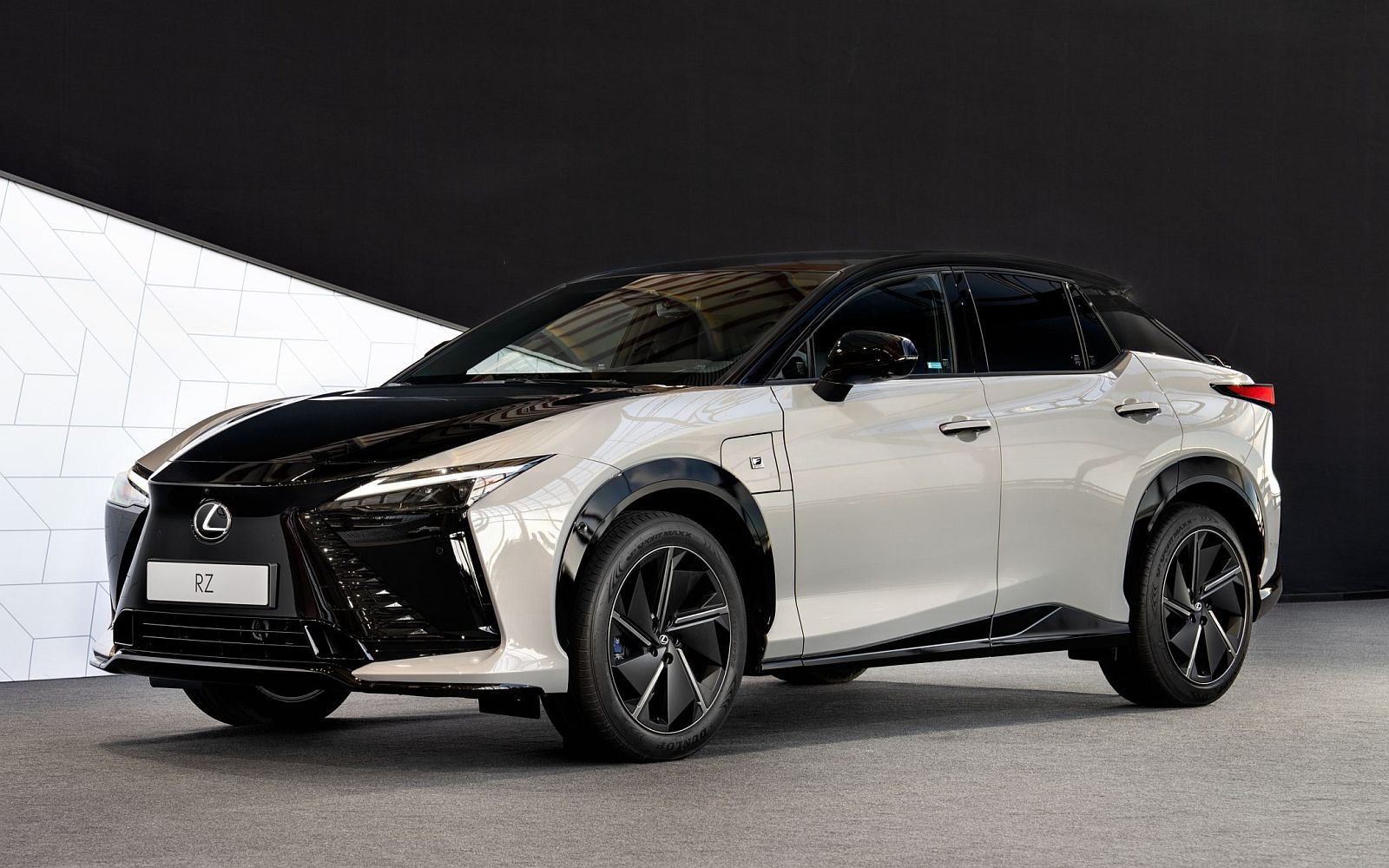
When Toyota launched its luxury division in 1989, the goal was straightforward: challenge established German automakers on build quality and quiet comfort. For over a decade, vehicles like the LS400 and ES300 dominated showrooms, prioritizing pillowy isolation over driver engagement. That strategy shifted permanently when the second-generation compact sports sedan debuted. The 2006 Lexus IS350 arrived not as a quiet commuter car, but as a direct assault on the BMW 3 Series, proving that legendary Japanese reliability could coexist with aggressive performance and genuine rear-wheel-drive athleticism.
Underneath the sculpted hood sat a high-compression 3.5-liter V6 engine, designated the 2GR-FE. This naturally aspirated powerplant churned out 300 horsepower and 260 lb-ft of torque, moving the compact sedan from zero to sixty mph in roughly 5.6 seconds. Unlike modern turbocharged engines that rely on low-end spool, this motor offered a linear throttle response, screaming all the way to a 6,600 rpm redline. Power went to the rear wheels through a swift six-speed automatic transmission equipped with steering-wheel-mounted paddle shifters, giving drivers immediate control over gear changes on twisty back roads.
Engineering the Chassis and Suspension
A powerful engine means little without a responsive platform to manage it. Lexus engineers developed an all-new chassis for the second-generation IS platform, utilizing a double-wishbone front suspension and a multi-link rear setup. This geometry reduced body roll significantly compared to its predecessor, keeping the tire contact patch flat through sharp apexes.
Weight distribution played a massive role in how the vehicle behaved at the limit. Engineers mounted the engine far back in the bay to achieve a balanced front-to-rear weight bias. Steering duties fell to an electric power steering system that provided quick, direct feedback from the front tires, marking a major departure from the numb steering feel plaguing older luxury cruisers.
Braking performance matched the acceleration capabilities. Large ventilated disc brakes at all four corners featured dual-piston front calipers, delivering consistent pedal feel and stopping power during aggressive driving sessions. To keep the rear tires hooked up under hard acceleration, the vehicle included a sophisticated Vehicle Dynamics Integrated Management system, which coordinated traction control, stability control, and electronic power steering into a single cohesive unit.
Interior Ergonomics and Driver Focus
Inside the cabin, the layout prioritized the person behind the steering wheel. The driver's seat offered deep bolstering to hold occupants firmly in place during hard cornering, while the high-contrast optitron instrument cluster provided clear, instantaneous readouts of vehicle vitals.
Lexus integrated ergonomic touches that enhanced the driving experience without cluttering the dash. A straightforward center console housed climate controls and an optional Mark Levinson audio system, which remained one of the best factory sound systems of that era. Materials felt solid and purposeful, utilizing soft-touch dashes, genuine metal trim accents, and available leather seating surfaces that wore exceptionally well over time.
Common Mechanical Quirks and Ownership Realities
While the powertrain is famously bulletproof, prospective buyers and enthusiasts looking at a used model today need to watch for specific trouble spots. The direct-injection system on early 2006 models can experience carbon buildup on the intake valves over high mileage, occasionally requiring a manual walnut-shell blasting clean-up.
Another notable issue involves the dashboard and door panel materials on early production units. They tended to become sticky or glossy under intense sun exposure due to a chemical breakdown of the soft-touch coating. Furthermore, the electronic steering motor can occasionally fail, leading to heavy steering and warning lights on the instrument cluster. Regular fluid changes for the transmission and differential remain vital, as neglected maintenance can compromise shift smoothness.
Frequently Asked Questions
Does the 2006 Lexus IS350 have a manual transmission?
No. The IS350 came exclusively with a six-speed automatic transmission featuring paddle shifters. If you want a manual gearbox from this generation, you have to step down to the lower-powered IS250.
How does the 2006 IS350 compare to the BMW 330i of the same year?
The Lexus offered significantly more horsepower (300 hp versus 255 hp in the BMW) and vastly superior long-term reliability. While the BMW traditionally held a slight edge in raw steering feedback, the IS350 won on straight-line speed and lower maintenance costs.
What is the real-world fuel economy for this V6 engine?
Drivers typically see around 18 to 20 mpg in heavy city driving and up to 25 or 26 mpg on highway road trips, provided the vehicle receives proper tune-ups and clean air filters.
Can the stability control system be completely disabled?
The factory stability control system cannot be fully switched off through a simple button press. However, enthusiasts often perform a specific pedal and parking-brake sequence known as "dyno mode" to completely disable electronic nads for track or autocross use.



