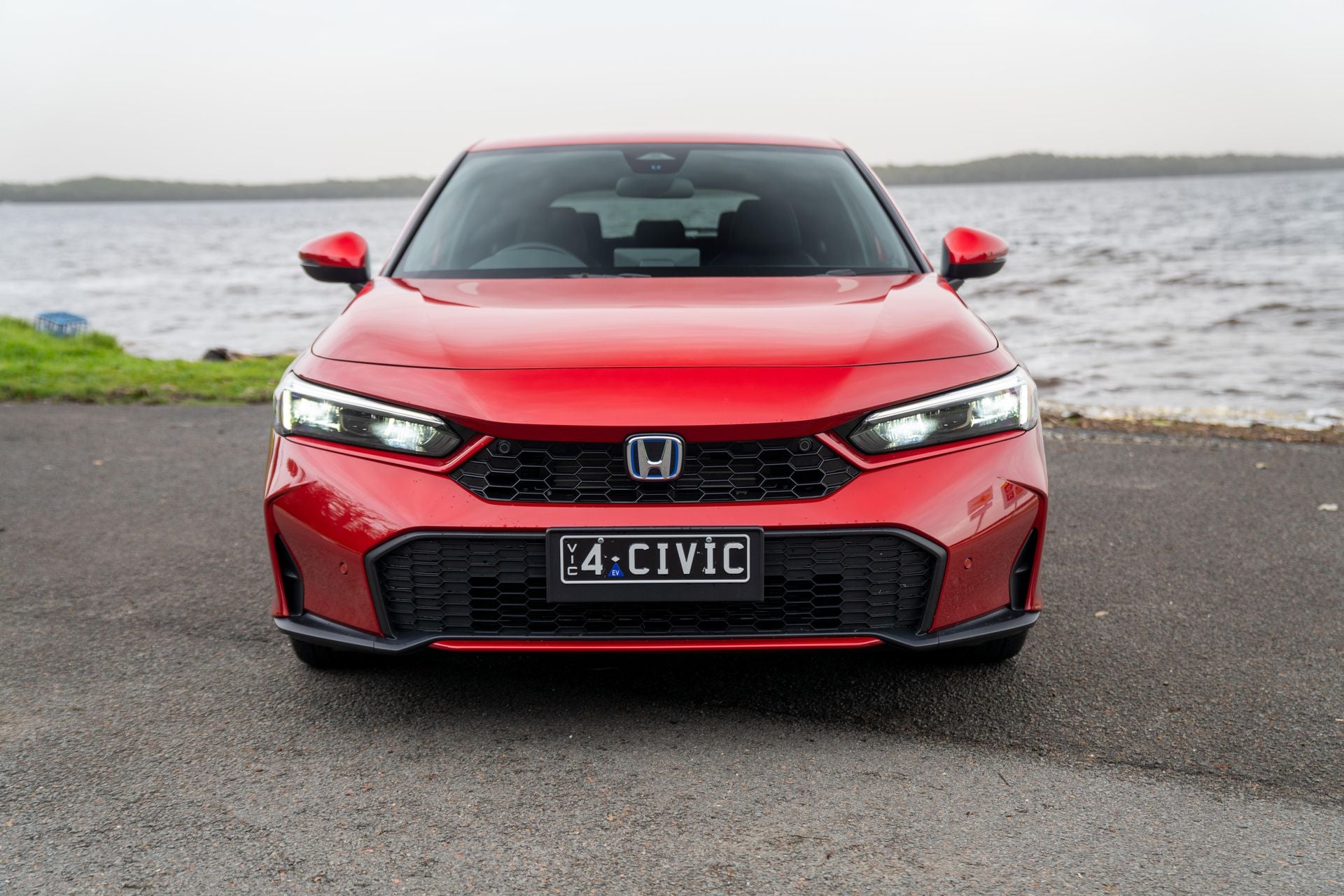
The 2002 Honda Civic belongs to the seventh generation of compact cars, renowned for fuel efficiency and daily practicality. Yet, as these vehicles age past two decades on the road, specific mechanical and electrical failure points emerge consistently. Knowing what fails and how to fix it makes the difference between keeping a reliable commuter and dealing with endless repair bills.
Automatic transmission failure, head gasket leaks, cracked exhaust manifolds, and failing blower motor resistors top the list of recurring issues. Addressing these exact problem areas requires targeted diagnostic steps and realistic repair strategies.
Automatic Transmission Failure and Slipping
Seventh-generation automatic Civics, especially models from 2001 to 2003, struggle with premature transmission wear and torque converter breakdown. Drivers often notice harsh shifting, delayed engagement when moving into Drive or Reverse, or the engine revving freely without the car moving forward.
Internal lubrication issues and inadequate cooling plague these units, causing metal wear debris to clog valve body passages.
How to Diagnose and Fix
Check the transmission fluid dipstick first. Dark, burnt-smelling fluid or metal flakes indicate internal mechanical failure. If fluid changes and external filter replacements fail to restore pressure, a rebuild or complete transmission replacement from a reliable rebuilder becomes necessary. Costs typically range from $1,800 to $3,500. Prevent further damage by changing the fluid every 30,000 miles using genuine Honda fluids rather than generic multi-vehicle alternatives.
Head Gasket Failure and Coolant Leaks
The D17 engine powering the 2002 Civic features an aluminum cylinder head bolted to an iron block, a combination prone to head gasket failure if the cooling system experiences thermal stress. When the gasket degrades, combustion gases push into the cooling system, creating excessive pressure that blows coolant past the radiator cap and into the overflow reservoir.
Symptoms include unexplained coolant loss without visible puddles, white exhaust smoke, bubbles in the coolant reservoir, and engine temperature climbing toward the red zone.
Step-by-Step Replacement Strategy
- Disconnect the negative battery cable and drain the coolant completely.
- Remove the valve cover, timing belt, and cylinder head bolts following a reverse torque sequence.
- Inspect the cylinder head for warping using a precision straightedge and feeler gauge. Have a machine shop plane the surface if it exceeds warp tolerance limits.
- Clean the engine block deck thoroughly, install a multi-layer steel (MLS) head gasket, and torque new head bolts down in precise sequential stages.
- Refill the system with fresh coolant and bleed air pockets completely; trapped air causes immediate re-overheating.
Cracked Exhaust Manifold and Integrated Catalyst
The exhaust manifold on the 2002 Civic houses the catalytic converter in a single cast piece bolted directly to the front of the engine. Due to extreme thermal expansion and contraction cycles, the cast iron develops hairline cracks over time.
A cracked manifold causes a ticking noise that worsens upon cold startup, exhaust fumes leaking into the engine bay, and an illuminated Check Engine Light triggering generic catalyst efficiency or oxygen sensor codes.
Repair Options
Welding cast iron rarely holds long-term because of continuous heat cycles. Replacing the manifold requires removing the heat shields, unbolting the unit from the cylinder head and downpipe, and installing a new gasket alongside a replacement manifold assembly. Use penetrating fluid a day prior to breaking loose rusted manifold studs to avoid snapping bolts off inside the aluminum cylinder head.
Blower Motor Resistor and HVAC Failures
Climate control issues regularly affect the 2002 model year. When the dashboard fan switch only blows air on the highest speed setting (speed four) while lower speeds produce nothing, the blower motor resistor has burned out.
Corrosion and high electrical resistance cause the thermal fuse inside the resistor block to open permanently.
Fixing the Resistor and Wiring Harness
The blower motor resistor mounts underneath the passenger side dashboard near the blower fan housing.
- Unplug the electrical connector and unscrew the resistor module.
- Inspect the plastic wiring harness plug closely; melting or discoloration on the connector pins is common.
- Replace both the resistor block and the matching pigtail wiring harness if heat damage is present.
- Test the blower motor current draw, as a failing blower motor pulling excessive amperage will quickly destroy a brand-new resistor.
Frequently Asked Questions
Does the 2002 Honda Civic use a timing belt or a timing chain?
The 1.7-liter engine uses a rubber timing belt rather than a chain. It requires replacement every 90,000 to 100,000 miles. Neglecting this maintenance risks snapping the belt, which results in bent valves and sudden engine shutdown.
Why does my 2002 Civic idle erratically or stall when stopping?
An idle surge or sudden stalling typically points to a carbon-fouled Idle Air Control Valve (IACV) attached to the throttle body. Removing the valve and cleaning the internal rotary pintle with dedicated throttle cleaner restores proper idle stabilization.
Is the 2002 Honda Civic fuel efficient?
Yes, well-maintained models achieve an EPA-estimated fuel economy range of roughly 30 miles per gallon combined, making economical daily commuting practical even as vehicle age increases.
What causes oil to leak down the side of the engine block?
A common source of oil loss on this engine is a hardened rubber seal on the VTEC spool valve assembly. Replacing the inexpensive gasket stops the leak immediately before oil drips onto the hot exhaust manifold.



