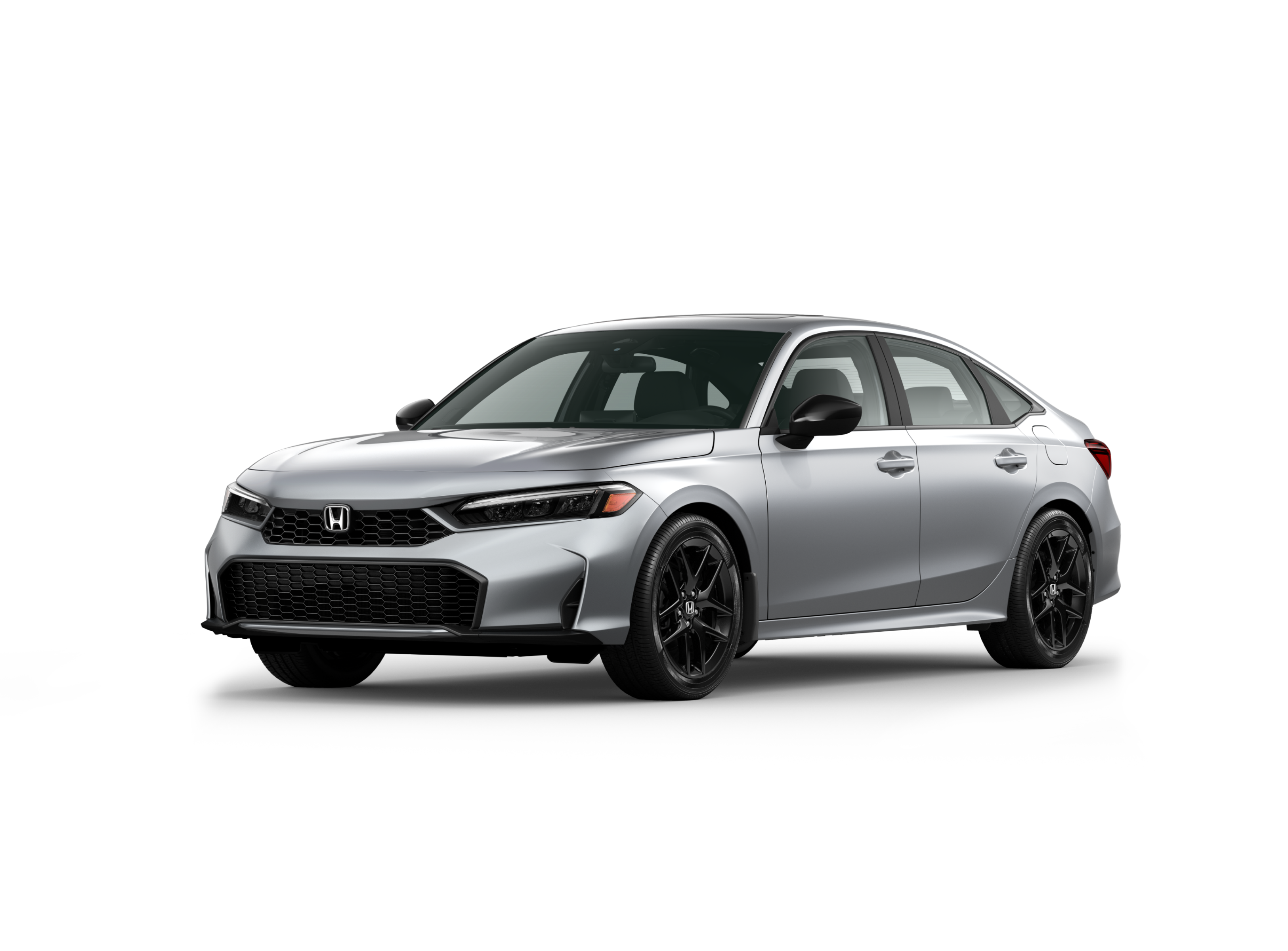
The 2000 Honda Civic Coupe stands as the definitive anchor of late-90s compact car culture, bridging factory engineering and street-level customization. While mainstream trims like the DX and EX served daily commuter needs with stellar fuel economy and dependable layout, the crowning achievement of this model year was the factory-hot-rod EM1 Si. Equipped with a high-revving dual-overhead-cam engine and crisp chassis dynamics, this generation locked down a cultural footprint that persists decades later.
Understanding why this specific two-door configuration commands such fierce loyalty requires looking past modern horsepower benchmarks. Instead, you have to examine the mechanical purity, engine architecture, and aftermarket accessibility that made the sixth-generation Civic coupe a generation's defining sports compact.
Trim Lineup and Engineering Variations
The sixth-generation Civic platform offered distinct personalities across its two-door lineup. Buyers could choose configurations ranging from bare-bones efficiency to high-revving factory performance without sacrificing the underlying lightweight architecture.
The base DX trim catered to budget-conscious drivers, featuring a 1.6-liter single-overhead-cam engine producing 106 horsepower paired with a five-speed manual or four-speed automatic transmission. Step up to the fuel-sipping HX, and Honda integrated a lean-burn engine alongside an available continuously variable transmission. To explore the complete picture, we recommend the recent article by The New York Times.
For buyers wanting everyday comfort alongside sportiness, the EX added power windows, a power moonroof, air conditioning, and a more potent single-cam VTEC engine pushing 127 horsepower at 6,600 rpm. Yet the undisputed icon of the family was the Si (designated chassis code EM1), built exclusively for North America in 1999 and 2000.
The EM1 Si: Heart of the Legend
The 2000 Honda Civic Si coupe changed what enthusiasts expected from an entry-level factory sports car. Under its hood sat the legendary B16A2 engine—a 1.6-liter, all-aluminum, dual-overhead-cam power plant featuring Honda's VTEC system.
- High-Revving Power: The engine pumped out 160 horsepower at 7,600 rpm and spun all the way up to an 8,000 rpm redline.
- Chassis Upgrades: Honda fitted the Si with stiffer progressive-rate springs, thicker stabilizer bars, a front strut-tower brace, and larger four-wheel disc brakes.
- Visual Identity: Offered in Flamenco Black Pearl, Milano Red, and the signature Electron Blue Pearl, the Si wore low-profile 15-inch alloy wheels and featured subtle exterior badging.
Driving the EM1 required keeping the tachometer high in the rev range to stay inside the VTEC cam profile. This dynamic mechanical engagement provided a thrilling driving sensation that modern turbocharged economy cars rarely replicate.
Chassis Dynamics and Double-Wishbone Suspension
One primary reason the 2000 Civic coupe handles so precisely involves its suspension geometry. Honda utilized a front and rear double-wishbone suspension design derived from its extensive racing background.
Unlike simpler MacPherson strut setups found in many contemporary competitors, the double-wishbone configuration keeps the tire contact patch flat against the pavement through cornering loads. This layout delivered exceptional steering feedback, minimal body roll, and predictable limits at the edge of traction.
Weight management further enhanced these handling traits. Tipping the scales at roughly 2,600 pounds for the heavy-duty Si (and significantly less for DX/EX models), the car felt nimble, eager to turn in, and responsive to minor throttle adjustments mid-corner.
The Aftermarket Explosion and Tuning Culture
By the early 2000s, the sixth-generation Civic coupe became the blank canvas of choice for the global sport compact tuning movement. Its modular architecture meant parts were universally interchangeable across the sixth-generation Civic body styles.
- Engine Swaps: Enthusiasts frequently dropped imported Japanese-market B-series motors (like the B16B or B18C Type R engines) into lower-tier DX and EX chassis.
- Aesthetic Upgrades: Clean body kits, aftermarket coil-over suspensions, and lightweight wheels defined the street style of the era.
- Racing Heritage: SCCA and local autocross events heavily featured Civics due to their robust aftermarket support and reliable transmissions.
Unfortunately, this massive popularity also made the platform a primary target for vehicle theft, driving up insurance rates for young owners throughout the decade.
Common Mechanical Issues and Ownership Realities
Finding a clean 2000 Civic coupe today requires navigating decades of modifications, rust, and hard mileage. Certain structural and mechanical trouble spots demand close inspection:
- Rear Quarter-Panel Rust: Salt-belt cars frequently develop rust bubbles behind the rear wheels where moisture collects in the double-walled fender seams.
- Oil Consumption: High-mileage single-cam (D16Y8) and dual-cam (B16A2) engines can burn oil past worn valve stem seals or piston rings, especially if driven hard on track days.
- Distributor Wear: Internal ignition coil and igniter failures inside the distributor housing can cause random stalling or no-start conditions.
- Interior Trim Wear: Door panel fabric sag, cracked center consoles, and window regulator binding are common aging issues inside the cabin.
Verify VIN tags on major body panels (fenders, doors, hood) to confirm accident history, as many examples suffered front-end collisions during their tuning years.
Frequently Asked Questions
What engine came in the 2000 Honda Civic Si coupe?
The 2000 Civic Si featured the B16A2 1.6-liter DOHC VTEC inline-four engine, producing 160 horsepower at 7,600 rpm and 111 lb-ft of torque.
How does the EX trim differ from the Si?
The EX uses a single-overhead-cam D16Y8 engine making 127 horsepower with rear drum brakes, whereas the Si uses a dual-overhead-cam B16A2 engine making 160 horsepower with four-wheel disc brakes.
Is the 2000 Honda Civic coupe reliable as a daily driver?
Yes, provided it has been properly maintained. The mechanical components are exceptionally durable, though finding an un-modified, rust-free specimen gets harder each year.
What is the paint code for Electron Blue Pearl?
Electron Blue Pearl carries the Honda paint code B-95P and served as the signature launch color for the EM1 Si model.



