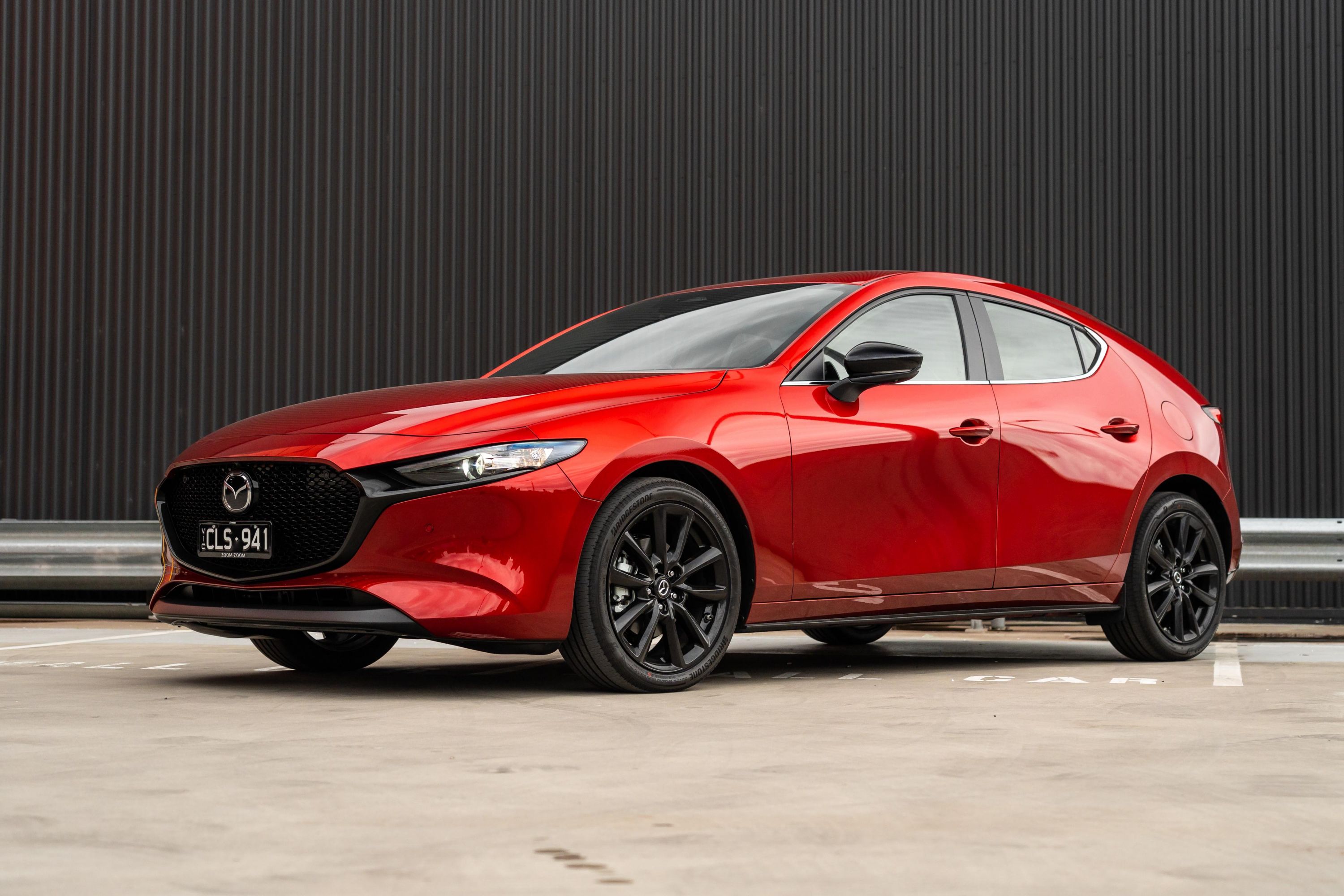
The 1994 Mazda 323 Hatchback represents an era when straightforward engineering and lightweight construction defined everyday driving. While modern compacts weigh well over 3,000 pounds and feature complex digital cockpits, this mid-1990s Japanese machine relied on mechanical simplicity, crisp handling, and bulletproof reliability to win over commuters. It wasn't a powerhouse out of the box, but its engaging chassis dynamics and everyday utility have earned it a dedicated following among retro car enthusiasts today.
Underneath its unassuming exterior, the seventh-generation Mazda 323 platform introduced a variety of body styles tailored to global markets, ranging from practical three-door variants to sleek, four-door fastbacks like the 323F. Drivers looking for an affordable classic often find that these hatchbacks punch well above their weight class when it comes to raw driving enjoyment. They offer a direct connection to the road that modern electronic power steering systems simply can't replicate.
Engineering and Performance Specifications
The mechanical backbone of the 1994 model varied significantly depending on whether you bought the car in North America, Europe, or Japan. In North American markets, the standard engine was a modest 1.6-liter four-cylinder pushing out around 82 horsepower, paired with either a five-speed manual transmission or a four-speed automatic. European and Asian markets enjoyed a wider spectrum of choices, including efficient 1.5-liter units and the legendary 2.0-liter V6 engine found in specific trims like the 323F.
Weight played a massive role in how the car drove. tipping the scales at roughly 2,200 to 2,400 pounds, even the base engine felt responsive when hooked up to the manual gearbox. Zero to sixty times weren't breaking any records—usually hovering around ten to eleven seconds for standard setups—but momentum driving was the name of the game.
- Suspension: Independent MacPherson strut setup front and rear.
- Brakes: Power-assisted front discs and rear drums on base models; four-wheel discs on higher-tier trims.
- Steering: Rack-and-pinion setup providing sharp, communicative feedback.
Driving Dynamics: Why It Still Holds Up
Modern reviewers often praise cars for artificial stiffness or computerized torque vectoring, but the 323 achieved greatness through balance. The chassis layout allows drivers to carry speed through tight corners without scrubbing front tires or losing composure. Body roll is present, as suspension bushings from this era lean toward comfort, but the communication through the steering wheel lets you know precisely where your front tires sit on the asphalt.
When paired with the five-speed manual shifter, the car transforms into an urban runabout that rewards momentum management. You have to work the gears on steep inclines, but shifting is crisp and direct. It's a machine that encourages you to drive it hard without breaking local speed limits, capturing the same philosophy that made lightweight roadsters famous. You can read more about vintage Japanese automotive engineering milestones through CarGurus.
Common Pain Points and Reliability Issues
Time hasn't been entirely kind to every component on these vehicles, and finding a clean example requires looking out for specific weak spots. Rust is enemy number one, particularly around the rear wheel arches and rear strut towers where road salt and moisture accumulate unnoticed.
- Interior Plastics: Dashboards and door panels hold up reasonably well, but plastic clips and window regulators tend to become brittle and break.
- Electrical Gremlins: Alternators and aging wiring harnesses can cause intermittent charging issues or dim dashboard lights.
- Gasket Leaks: Valve cover gaskets and oil pan seals harden over thirty years, leading to minor weeping that requires simple weekend fixes.
Routine maintenance remains remarkably straightforward. Engine bays feature wide layouts with ample room to reach spark plugs, alternators, and belts without specialized tools. Parts availability is aided by the vehicle sharing numerous platform components with Ford models from the same era, keeping restoration and repair costs exceptionally low for DIY mechanics.
Frequently Asked Questions
Is the 1994 Mazda 323 considered a rare car today?
Standard base models have largely disappeared due to standard attrition and rust, making clean, unmodified hatchbacks surprisingly difficult to spot at local car meets. Performance-oriented V6 variants are even scarcer.
What kind of fuel economy can you expect?
Drivers routinely report getting between 28 and 35 miles per gallon in mixed driving conditions, making it an economical option for a retro daily driver.
Are replacement parts difficult to source?
Basic mechanical items like brake pads, filters, and suspension components are widely available through aftermarket suppliers, though trim-specific body panels and interior plastics require scouring salvage yards or enthusiast forums.
How does it compare to a Mazda Miata?
While they share brand heritage and a wonderful manual shifter feel, the 323 is a front-wheel-drive practical hatchback rather than a rear-wheel-drive sports car, though it shares the same spirit of lightweight mechanical purity.



