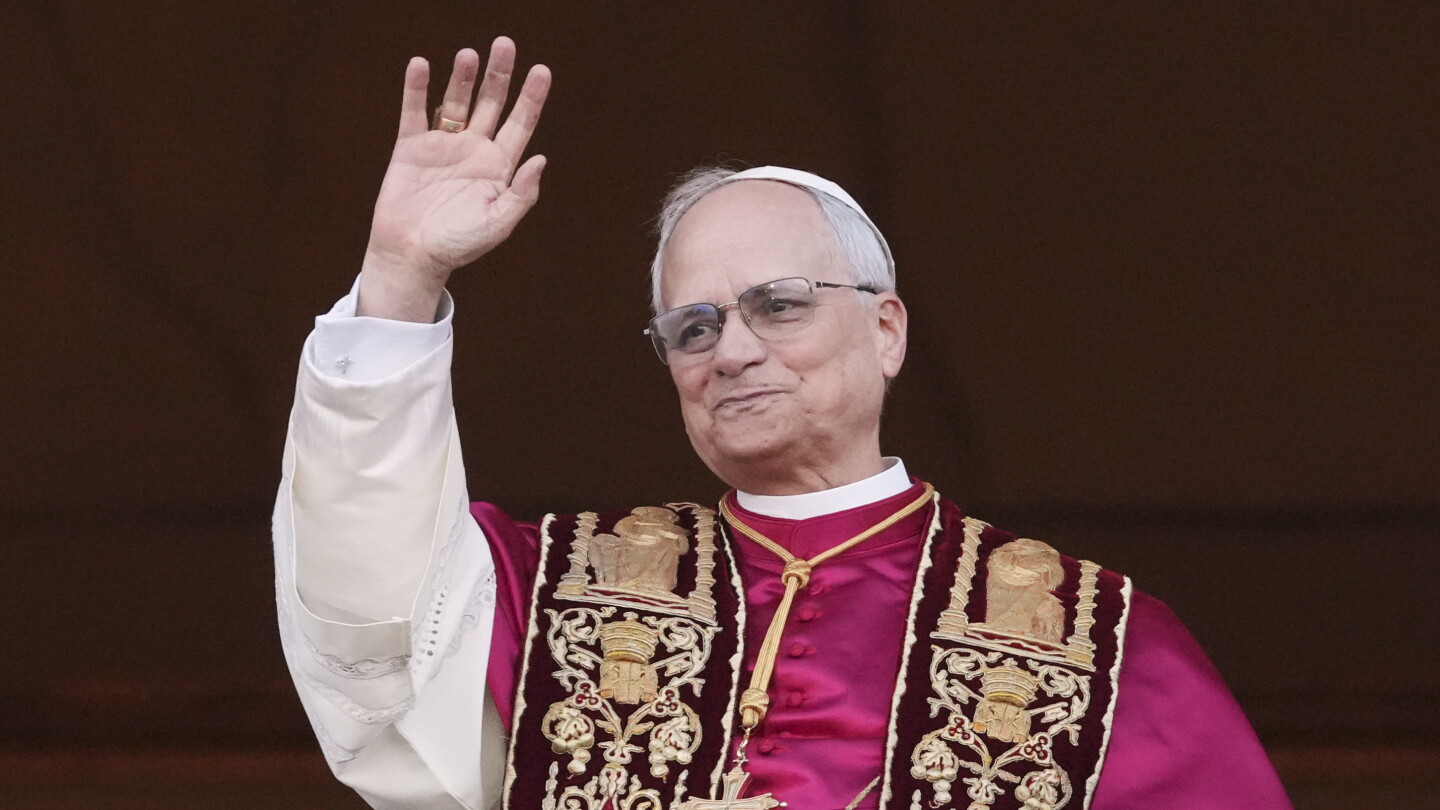
When people think of twentieth-century popes, cultural giants like John XXIII and John Paul II usually command the room. Sandwiched right between them sat Giovanni Battista Montini, who took the name Paul VI. Often overshadowed by his charismatic predecessor and successor, Paul VI steered the Catholic Church through the seismic shifts of the Second Vatican Council. Yet his journey to the papacy during the June 1963 conclave remains an overlooked masterclass in Vatican politics and ecclesiastical diplomacy.
The 1963 papal conclave gathered 80 cardinal electors inside the Sistine Chapel following the death of John XXIII. Unlike many chaotic historical elections marked by fierce deadlocks, this transition was anticipated as a continuation of Vatican II's opening spirit. Cardinal Montini emerged as the clear frontrunner, securing election on the sixth ballot. This deep dive unpacks the mechanics of that forgotten election, the shifting geopolitical landscape of the College of Cardinals, and why Montini's brief fifteen-year pontificate fundamentally reshaped the modern papacy.
Setting the Stage After John XXIII
Pope John XXIII captured global affection with his warmth and his bold decision to convene the Second Vatican Council. When he passed away in June 1963, the Catholic Church stood at a critical crossroads. The council had opened up massive questions about liturgy, ecumenism, and the Church's relationship with the modern world.
The College of Cardinals faced a stark choice. They could elect a conservative caretaker to pump the brakes on Vatican II, or they could pick a progressive administrator capable of steering the council's complex machinery safely to port.
Cardinal Montini, then the Archbishop of Milan, stood out as the logical bridge. He had spent decades working inside the Roman Curia under Pius XII before John XXIII sent him to Milan. This dual experience gave him a rare vantage point: he understood the inner workings of Vatican bureaucracy and the pastoral realities of an industrial diocese.
Inside the Sistine Chapel: The June 1963 Ballots
The conclave opened on June 19, 1963. The 80 electors represented a rapidly internationalizing Church, though Italian cardinals still held a significant numerical presence.
- The Electorate: Cardinals traveled from 29 different countries, reflecting a slow shift away from an exclusively European-dominated voter base.
- The Threshold: Capturing the papacy required a strict two-thirds supermajority, meaning any winning candidate needed at least 53 votes.
- The Contenders: Alongside Montini, figures like Cardinal Gregorio Pietro Agagianian were viewed as strong papabile candidates representing different wings of the Curia.
Unlike modern multi-day stalemates, the cardinals moved efficiently. No votes occurred on the first day, but by the third day—June 21, 1963—the sixth ballot brought a decisive outcome. Montini crossed the threshold, accepted the office, and chose the name Paul VI, signaling a deliberate link to Pauline missionary zeal and global outreach. Legend notes that the papal tailors at Gammarelli had prepared an extra fourth set of vestments specifically tailored to Montini's measurements because his election was treated as an open secret.
Why the 1963 Conclave Gets Overlooked
History loves clean narrative bookends. In popular memory, the narrative jumps straight from the grandfatherly optimism of John XXIII to the global dynamism of John Paul II. Paul VI gets cast as an administrative transitional figure, often remembered for difficult decisions rather than dramatic triumphs.
Several factors contribute to this historical blind spot:
- The Shadow of Vatican II: Paul VI had the arduous task of managing the final sessions of the council and implementing its sweeping reforms. Reform implementation naturally alienates traditionalists while frequently frustrating progressives who want faster changes.
- Humanae Vitae: His 1968 encyclical on birth control sparked intense internal dissent and public controversy, overshadowing his immense diplomatic achievements, such as establishing international papal travels and modernizing Church governance.
- Personality: Unlike John XXIII's jovial charisma or John Paul II's athletic stage presence, Montini was an intellectual, introspective, and cautious diplomat who processed decisions through deep prayer and scholarly writing.
The Long-Term Legacy of Paul VI
Though the 1963 conclave is rarely studied with the same cinematic fervor as later elections, Paul VI left a structural footprint on the papacy that persists today. He internationalized the College of Cardinals further, set age limits for cardinal electors, and turned the papacy into a global office of active pilgrimage.
Furthermore, his appointments laid the direct groundwork for the future of the Church. The men he elevated to the cardinalate eventually populated the conclaves that chose his immediate successors, binding his legacy directly into the late-twentieth-century papacy. You can explore more historical timelines of these transitions through resources maintained by Vatican News.
Frequently Asked Questions
How many ballots did the 1963 conclave take?
The conclave lasted three days, from June 19 to June 21, 1963, and elected Cardinal Montini on the sixth ballot.
Why was Giovanni Battista Montini considered the favorite?
Montini worked closely with both Pius XII and John XXIII, giving him unmatched administrative experience in Rome combined with pastoral credibility as the Archbishop of Milan. His moderate-reformist stance made him the ideal candidate to manage the ongoing Second Vatican Council.
How many cardinals participated in the election?
A total of 80 cardinal electors from 29 countries entered the Sistine Chapel for the 1963 election.
What name did Cardinal Montini choose and why?
He chose the name Paul VI, signaling a commitment to the global missionary zeal of St. Paul and a desire to take the message of the Church outward into the modern world.


